
Psychiatric Drug Withdrawal: A Guide for Prescribers, Therapists, Patients, and Their Families (2013)
Peter Breggin, MD - 30 Q&As - Book Summary

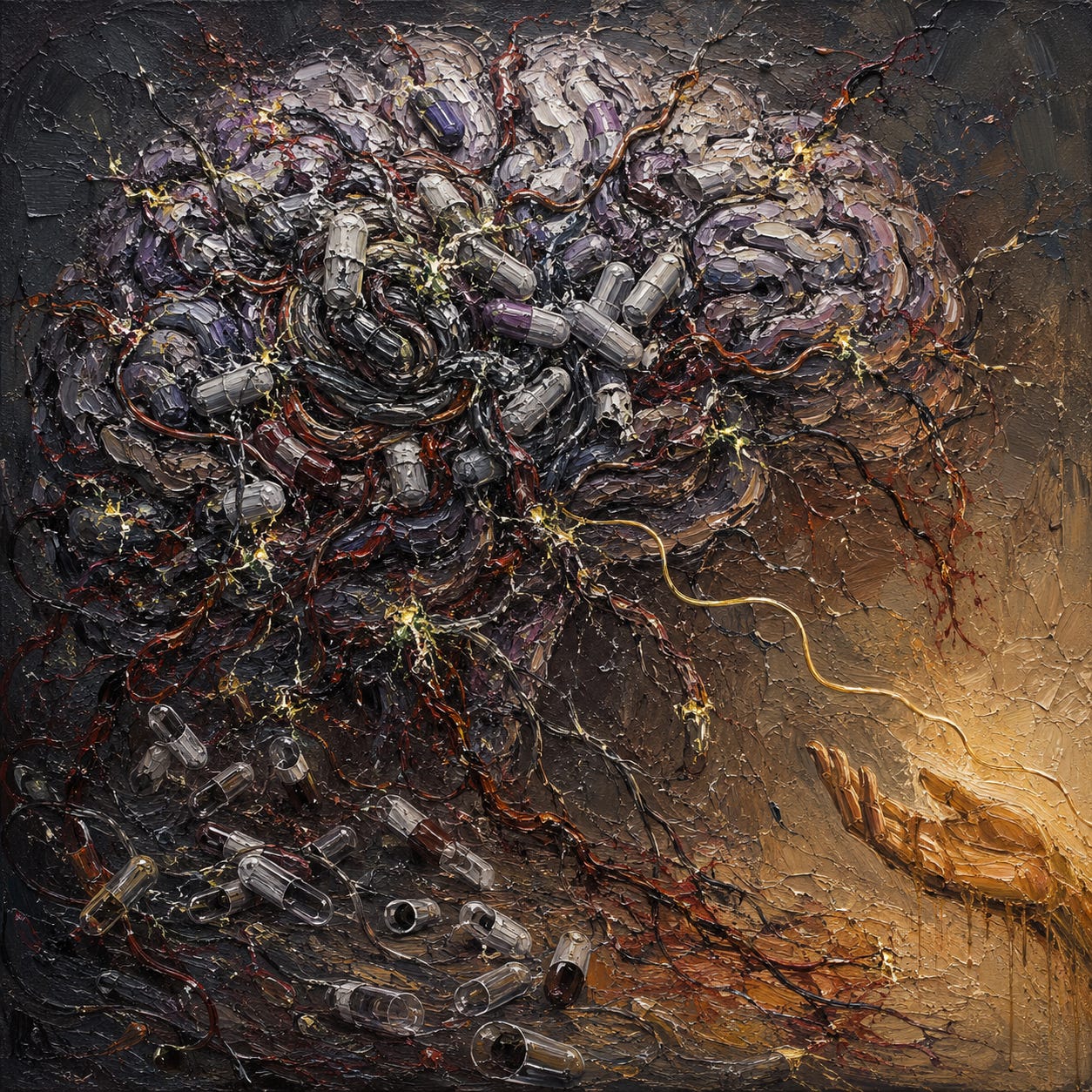
Half or more of patients in psychiatric offices and hospitals today carry a diagnosis of bipolar disorder. In the 1960s, clinicians working in psychiatric hospitals saw one or two cases of mania a year. The change is not improved detection. The antidepressants and stimulants prescribed since the late 1980s commonly induce manic-like episodes — agitation, akathisia, hostility, aggression, mania — and these drug-induced reactions are misdiagnosed as bipolar disorder rather than as substance-induced mood disorder with manic features. The patient is then placed on mood stabilisers and antipsychotics on top of the original drug, and the polypharmacy itself produces the cognitive impairment, emotional lability, and rapid mood swings now labelled “rapid cycling.” This is the central pattern documented in Psychiatric Drug Withdrawal: A Guide for Prescribers, Therapists, Patients, and Their Families (2013): the conditions psychiatry treats most aggressively are, in substantial measure, the conditions psychiatric drugs produce.
Peter Breggin, MD, trained at Harvard College and Case Western Reserve Medical School, completed a teaching fellowship at Harvard Medical School, and served two years as a full-time consultant at the National Institute of Mental Health. He has taught at Johns Hopkins and SUNY Oswego, founded the journal Ethical Human Psychology and Psychiatry, and testified before Congress. His clinical reform work is documented: a multi-year international campaign in the early 1970s ended the resurgence of lobotomy and psychosurgery in state mental hospitals, the NIH, and the VA; his 1983 book Psychiatric Drugs: Hazards to the Brain led the FDA to require a class warning on tardive dyskinesia in 1985; and the FDA’s 2004 black box warning on antidepressant suicidality followed language he had publicised over the prior decade. He served as the single scientific expert in more than one hundred Prozac suits against Eli Lilly, where the internal documents on suppressed suicidality data first emerged. Mainstream psychiatry calls him “The Conscience of Psychiatry”; the same profession has spent four decades attempting to ignore what he documents.
The book appeared in 2013, three years after Robert Whitaker’s Anatomy of an Epidemic established that psychiatric disability rolls had more than doubled between 1987 — the year the FDA approved Prozac — and 2007, reaching one in seventy-six Americans, while disabled mentally ill children rose thirty-five-fold in the same period. Two years before publication, Psychiatric Times Editor-in-Chief Ronald Pies conceded that no knowledgeable psychiatrist had ever made the “biochemical imbalance” claim except perhaps to mock it, despite the slogan having driven Prozac to become the largest-selling drug in the world. The American Academy of Pediatrics, with no new scientific basis, issued guidelines in 2011 extending ADHD diagnosis and methylphenidate treatment to children as young as four. The establishment was simultaneously admitting that the foundational theory was a marketing construct and expanding the prescribing target downward into preschool. Breggin wrote into that contradiction.
The book’s clinical findings independently confirm what terrain medicine has held since Béchamp and Shelton: iatrogenic illness follows the suppression of the body’s signalling responses with toxic agents, and the cycle of suppression generates the chronic disease it claims to treat. The full summary unpacks the four characteristics of Chronic Brain Impairment — cognitive dysfunction, emotional instability, apathy, and anosognosia — and explains why anosognosia is the keystone that holds the entire psychopharmaceutical apparatus in place; the four common medication-history scenarios that show how children and adults accumulate four or five drugs through a chain of misread adverse reactions; and the practical withdrawal techniques (fluoxetine bridging, diazepam transition, pellet counting, fluid formulations) that allow patients to taper at a pace their brains can tolerate. Every psychiatric drug examined to date has been shown toxic to neurons or severely disruptive of normal brain function. The drugs do not correct biochemical imbalances. They produce them.
This work stays free because paid subscribers make it possible. They get the full book library, the Deep Dive Audio Library, and the Questions for Your Doctor, Before You Consent, and Package Insert series. No grants, no gatekeepers — your subscription is what keeps it that way.
The paywall has been removed on this book summary making it available to free subscribers.
30 Q&As
Question 1: What is the central thesis regarding what psychiatric drugs do to the brain?
Every psychiatric drug examined to date has been shown to be toxic to neurons or severely disruptive of normal brain function. These compounds do not correct any known biochemical imbalance — none has ever been identified in the brains of people diagnosed with depression, anxiety, bipolar disorder, or schizophrenia. There are no laboratory tests for psychiatric disorders because there are no known abnormalities to detect. The drugs cause biochemical disruption rather than correcting it. The brain, working to maintain homeostasis, attempts to overcome the chemical assault through compensatory mechanisms — adjusting receptor numbers, altering neurotransmitter production, modifying cell function. Over months and years of exposure, the brain physically changes in response.
The deterioration seen in long-term psychiatric patients is not the natural course of an inherent disease. It is the predictable consequence of continuous exposure to neurotoxic compounds combined with the suppression of the body’s signalling system. What gets diagnosed as “treatment-resistant depression” or “rapid-cycling bipolar” or “chronic schizophrenia” is in most cases the cumulative damage from the drugs themselves. The brain is being injured by what is supposed to be helping it.
Question 2: Why is withdrawal from psychiatric medication often more complex and dangerous than the routine taking of the same drug?
When a brain has adapted to a psychoactive substance over weeks, months, or years, removing the substance leaves all the compensatory adaptations exposed and unopposed. An antidepressant that suppressed serotonin reuptake provoked the brain to downregulate serotonin receptors and adjust production rates; remove the drug and the now-altered system cannot keep up. An antipsychotic that blocked dopamine receptors prompted the brain to grow more receptors with greater sensitivity; remove the drug and a flood of dopamine activity hits an over-sensitive system, producing rebound psychosis that can be more severe than anything the patient experienced before treatment. Benzodiazepines, by enhancing GABA, drove the brain to suppress its own inhibitory machinery; abrupt withdrawal can produce seizures, severe anxiety, and protracted suffering that lasts months to years.
Routine daily dosing produces a deceptive stability — the patient and prescriber settle into a rhythm and assume safety. But the moment doses are skipped, reduced too quickly, or stopped, the imbalance becomes acute. Withdrawal reactions can include severe depression, mania, psychosis, suicidality, and violence. The patient’s judgment and self-control may be impaired by the biochemical chaos, families may panic and interfere, and the original chronic brain impairment may surface as the drug stops masking it. This is why withdrawal demands more attention, more knowledge, and more support than the original prescribing ever did.
Question 3: What is Chronic Brain Impairment (CBI), and what are its four core characteristics?
CBI is the long-term injury to brain function produced by extended exposure to psychiatric drugs. It is probably the most important cause of the current escalating epidemic of psychiatric disability. Nearly every patient who remains on these compounds for many years develops some degree of it. Its four core characteristics are cognitive dysfunction (impaired memory, attention, abstract thinking), emotional instability or affective dysregulation (mood lability often misdiagnosed as bipolar disorder), apathy and indifference (loss of motivation, reduced engagement with life), and anosognosia (the inability to recognise these very deficits in oneself).
Anosognosia is the mechanism that keeps patients on drugs that are damaging them. The compound impairs the brain to such a degree that the patient can no longer perceive the impairment. Family members notice it first — the personality has flattened, memory has slipped, work performance has declined — but the patient often defends the medication and denies the changes. CBI overlaps clinically with dementia and organic brain syndrome, and at times is mistaken for early Alzheimer’s. It is partly reversible if the drugs are withdrawn early enough, though recovery can take months to years, and some impairment may persist.
Question 4: What does the concept of “medication spellbinding” describe, and why does it matter clinically?
Medication spellbinding is a specific form of intoxication anosognosia — the drug-induced inability to recognise that a drug is impairing one’s mental state, judgment, or behaviour. The patient feels “fine” or even “better than ever” while observers see clear deterioration: blunted affect, poor decisions, uncharacteristic actions, sometimes catastrophic ones. The compound has compromised the very faculties that would normally detect compromise. This is not denial in the psychological sense; it is a neurological deficit produced by the drug.
Clinically, this matters in two directions. It explains why patients defend medications that are obviously harming them and resist the suggestion of withdrawal — the drug has disabled the awareness needed to evaluate the drug. It also explains how psychiatric drugs contribute to suicide, violence, and homicide. A person on a stimulating antidepressant or stimulant may experience akathisia, mania, or aggressive impulses while remaining convinced their thinking is clear. The Prozac murder case discussed in the text illustrates the extreme: an individual with no prior history of violence commits a homicide while medicated and afterwards cannot recognise that the drug was the cause. Family members are frequently the first and most reliable witnesses; their observations must be weighted accordingly.
Question 5: What is the actual scientific status of the “biochemical imbalance” theory of mental illness?
It has no scientific basis. There is no measurable biochemical imbalance associated with depression, anxiety, bipolar disorder, schizophrenia, or any other psychiatric diagnosis. There are no laboratory tests, no imaging findings, no blood markers — because there are no known abnormalities to detect. Ronald Pies, Editor-in-Chief of Psychiatric Times, conceded in 2011 that in thirty years he had never heard a knowledgeable, well-trained psychiatrist make the biochemical imbalance claim except perhaps to mock it. The theory was a marketing construct, not a scientific finding.
It became one of the most successful public relations campaigns in history. Eli Lilly used it to launch Prozac, and the slogan spread through television advertising, doctors’ offices, and patient pamphlets until millions of people believed they suffered from a chemical defect that pills could correct. The framing accomplished two things at once: it relieved the patient of any sense that life circumstances or psychological history might matter, and it justified indefinite pharmaceutical treatment. The reverse is closer to the truth. Where biochemical disruption can be measured, it is the drugs producing it. The brain becomes biochemically abnormal as a consequence of treatment, not before it.
Question 6: What is the person-centered collaborative approach, and who participates in it?
It is a team-based method for psychiatric drug withdrawal built on three principles: empathy with genuine caring and understanding, honest communication about the dangers of staying on the drugs and the dangers of withdrawing from them, and an empowering respect for the patient’s viewpoint, wishes, and needs. The patient is treated as the autonomous decision-maker. The pace of withdrawal is set by the patient’s comfort zone, not by a predetermined schedule. The patient retains the right to slow down, pause, or return to a previous dose at any time.
The team includes the prescriber (psychiatrist, primary care physician, nurse practitioner, physician’s assistant, pediatrician, or internist), the therapist (psychologist, social worker, counsellor, marriage and family therapist, nurse), the patient, and the patient’s family or social network. The therapist usually coordinates because they see the patient more often than the prescriber and develop deeper rapport. Family members provide observation and support, and in some cases serve as the early-warning system for withdrawal reactions the patient cannot perceive. The 15-minute medication check that dominates contemporary psychiatry is structurally incapable of supporting safe withdrawal; the collaborative model exists because no single clinician working in isolation can provide what the process requires.
Question 7: What does “medical disempowerment” describe, and how does it interfere with patients’ ability to reduce or stop medication?
Medical disempowerment is the term used by psychologist Sarton Weinraub for the self-destructive belief that recovery requires submission to an authoritarian medical expert. Patients prescribed psychiatric drugs are often given no unbiased assessment of side effects or alternatives. They are told the drug is necessary, the diagnosis is permanent, and their feelings of doubt are themselves symptoms of the illness. Over time they internalise the message that they cannot trust their own perceptions of the drug’s effects and must defer to the prescriber’s judgment indefinitely.
This conditioning produces patients who want to come off medication but cannot bring themselves to ask, or who ask once, are dismissed, and never raise it again. It produces patients who experience clear adverse effects but assume the drug is helping because the doctor said so. It produces a clinical culture in which the patient’s reports about their own body are routinely overridden. The remedy is not more authority from a different direction. It is the patient learning to take charge of their own treatment, supported by clinicians willing to share information honestly and accept that the patient is the one whose life is being affected. Many prescribers will respond positively when they see that an informed therapist and family network are backing the patient’s decision.
Question 8: What structural and cellular changes do antipsychotic drugs produce in the brain?
Antipsychotic drugs produce measurable atrophy of the brain on imaging studies. The frontal lobes shrink, ventricles enlarge, and cortical volume declines. These changes correlate with cumulative dose and duration of exposure rather than with the underlying diagnosis or its severity. Cellular studies show damage to neurons and disruption of normal cell function. A study of intravenous haloperidol in healthy volunteers found that acute D2 receptor blockade induced reversible striatal volume changes and structural-functional decoupling in motor circuits within hours — measurable shrinkage from a single dose. Prolonged exposure produces irreversible atrophy.
The mechanism behind tardive psychosis illustrates the same process from another angle. Long-term suppression of dopamine receptors prompts the brain to grow more of them and increase their sensitivity. When the drug is reduced or stopped, the now-supersensitive system fires excessively, producing psychotic symptoms that may be more severe than anything seen before treatment. This is pharmacodynamic adaptation — the brain’s homeostatic response made pathological by the unrelenting chemical pressure. The same compounds also produce neuroleptic malignant syndrome, an acute potentially fatal reaction, and the various tardive movement disorders that signal damage to motor control circuits. Patients and their families should be warned in advance of these risks; prescribers should exercise extreme caution in starting or continuing patients on these highly toxic drugs.
Question 9: What are tardive dyskinesia, tardive dystonia, tardive akathisia, tardive psychosis, and tardive dementia?
Tardive dyskinesia is a movement disorder caused by antipsychotic drugs that can impair any muscle function partially or wholly under voluntary control — face, eyes, tongue, neck, back, abdomen, limbs, diaphragm, swallowing, and voice. Classic TD involves either rapid, jerky choreiform movements or slower serpentine athetoid ones. In severe cases the patient cannot sit straight, cannot stop head bobbing, or appears to be performing involuntary gestures. Prevalence reaches 40% or more in outpatient clinics and 50% or more in long-term facilities. It afflicts the entire lifespan, from infants exposed in utero to the elderly. Tardive dystonia involves painful muscle contractions and spasms, often in the neck. Tardive akathisia involves torturous inner agitation with a compulsion to move.
Tardive psychosis is the rebound psychotic state produced when long-term dopamine blockade is reduced and supersensitive receptors fire uncontrolled. Tardive dementia is the cognitive deterioration that accompanies long-term antipsychotic use — sometimes euphemistically called “tardive dysmentia” in the literature. In virtually every clinical survey, patients with tardive dyskinesia have more dementia than patients without it. Once these conditions become persistent, they tend to be permanent. Early signs of TD are the most common signal that a patient on antipsychotic drugs needs to be withdrawn from the medication as quickly as possible.
Question 10: What metabolic and mortality risks accompany long-term antipsychotic use, particularly in the elderly and in children?
Long-term antipsychotic use produces metabolic syndrome — substantial weight gain, type 2 diabetes, lipid abnormalities, and cardiovascular disease. The newer “atypical” antipsychotics, marketed as safer than the older generation, are in many cases worse on this dimension; olanzapine in particular produces dramatic weight gain and metabolic disruption. Children are increasingly exposed to these compounds, often under the label of childhood bipolar disorder, and the metabolic damage in a still-growing body is severe. The seriously mentally ill in the United States lose an average of 25 years of life expectancy compared to the general population — a gap driven substantially by the cardiovascular and metabolic consequences of the drugs prescribed to them.
In the elderly, antipsychotic drugs roughly double the risk of stroke and increase the risk of death overall. The FDA has issued warnings about the use of these compounds in elderly patients with dementia, where they are widely prescribed off-label as chemical restraints in nursing homes. The drugs do not treat dementia; they sedate the patient into manageability while accelerating the underlying decline and adding stroke risk on top. In children, the same compounds suppress growth, derange metabolism, and produce extrapyramidal symptoms that can become permanent. Prescribing them long-term should be avoided. A timetable for eventual withdrawal should be considered at the onset of treatment and revisited periodically thereafter.
Question 11: What does antidepressant-induced clinical worsening involve, and how does it manifest in adults and children?
The FDA-approved label for all antidepressants warns about potential worsening of the patient’s condition. This is not a rare paradoxical reaction; it is built into the pharmacology and acknowledged in the regulatory documents. The drugs commonly produce overstimulation early in treatment — agitation, akathisia, insomnia, irritability, hostility, aggression, and mania. These effects can emerge within days of starting the medication or after a dose increase. Patients who entered treatment with depression find themselves more anxious, more impulsive, sometimes more suicidal than before. The phenomenon is so well established that the FDA’s 2004 black box warning specifically named the stimulant-like profile — agitation, akathisia, hostility, aggression, mania — as a precursor to suicidality and violence.
Children are especially vulnerable. Substantial rates of suicidality, aggression, and mania appear in pediatric trials, and the post-marketing data in children diagnosed with depression show disproportionate harm. A child who was sad before the prescription becomes a child who cannot sleep, cannot sit still, has rage episodes never seen before, and is then diagnosed with bipolar disorder rather than recognised as suffering from a substance-induced mood disorder with manic features. The misdiagnosis leads to mood stabilisers and antipsychotics piled on top of the original antidepressant, beginning the polypharmacy spiral. The clinician’s first response to “the patient got worse on the drug” should always be to consider whether the drug itself is the cause.
Question 12: What is the basis for the FDA’s 2004 black box warning on antidepressant-induced suicidality, and how does the related stimulant-profile warning connect to it?
The 2004 black box warning emerged after years of accumulating evidence that selective serotonin reuptake inhibitors and related antidepressants increased suicidality in children, adolescents, and young adults. Clinical trial data, reanalysed after the original drug-company submissions were challenged, showed that medicated patients attempted and completed suicide at higher rates than those on placebo. Internal documents from manufacturers, obtained through litigation, revealed that the signal had been visible to drug companies long before regulators acted on it. The author was the single scientific expert in over a hundred Prozac suits against Eli Lilly during the 1990s and contributed to the public education campaign that eventually forced FDA action.
The stimulant-profile warning issued alongside it identifies the mechanism. Patients on antidepressants commonly develop agitation, akathisia, hostility, aggression, and mania — the same cluster of effects produced by amphetamines and other classical stimulants. Akathisia in particular is a torturous inner restlessness that has been linked to suicide and violence for decades, originally in the context of antipsychotic drugs. When a person experiences this state, the impulse to do something — anything — to escape it can become overwhelming, and self-destructive or other-destructive actions follow. The two warnings are functionally one: the suicidality is the downstream consequence of the stimulant-like brain state induced by the drug.
Question 13: What is the realistic picture of antidepressant efficacy compared to placebo?
The evidence for antidepressant efficacy is far weaker than the public messaging suggests. Meta-analyses of the full trial database, including unpublished negative trials that drug companies historically suppressed, show effects barely distinguishable from placebo for most patients. The small statistical advantage that does appear over placebo is concentrated in the most severely depressed patients and shrinks toward zero in mild to moderate depression — which is where the bulk of prescribing actually occurs. For the average patient walking into an office and being handed an SSRI for low mood, the drug is unlikely to do more than a sugar pill, while carrying a real risk of harm.
Long-term, the picture worsens. Antidepressants in extended use are associated with poorer outcomes than no treatment — more chronicity, more relapse, more disability. The brain’s compensatory adaptations to suppressed serotonin reuptake leave the patient in a worse biochemical state than before the prescription, and withdrawal becomes increasingly difficult the longer treatment continues. The clinical experience matches the data: patients who arrive on antidepressants after years of treatment are often more depressed, more emotionally flat, more cognitively impaired than they were at the start. The drugs should be used much less frequently and rarely if ever for many months or years at a time. Children and adults should be withdrawn as quickly as feasible, and long-term treatment avoided.
Question 14: Why is Attention Deficit Hyperactivity Disorder considered an invalid diagnostic category, and what are the actual sources of the behaviours it describes?
ADHD is not a medical syndrome. It is a list of behaviours — hyperactivity, impulsivity, inattention — that cause problems for teachers and require their increased attention in the classroom. The diagnostic criteria contain nothing about the child’s mental status, mood, or feelings; they describe only observed behaviours. There is no laboratory test, no imaging finding, no biological marker. A child who fidgets, talks out of turn, and has trouble sitting still meets the criteria regardless of why. A genuine medical syndrome requires a unifying underlying cause; ADHD has none, and the diagnosis explicitly does not require one.
The actual sources of ADHD-labelled behaviour are mundane and varied. Boring or undisciplined classrooms produce restless children. Inadequate educational preparation for the grade level produces inattention and frustration. Anxiety and depression caused by losses, conflicts, or trauma at home produce emotional dysregulation. Poor nutrition, insomnia, head injury (including sports concussions), diabetes, hearing or vision problems, and other physical conditions produce inattention and hyperactivity. Abuse and neglect produce behavioural disturbance. Above all, normal childhood variation includes children who are more energetic, more curious, less suited to sitting still for six hours a day. The diagnosis erases all of this and substitutes a chemical compound that suppresses the child’s overall spontaneity and induces obsessive-compulsive overfocus. The real intervention these children need is a psychosocial and educational evaluation that addresses the actual cause.
Question 15: How do stimulant drugs affect children’s growth, cardiovascular system, and behaviour, and what does the long-term data show about their effectiveness?
Stimulants suppress growth in both height and weight by disrupting growth hormone cycles. Children on long-term Ritalin or Adderall fall behind their peers in stature, and the deficit does not always recover when the drug is stopped. Cardiovascular effects include elevated heart rate, elevated blood pressure, and the risk of sudden cardiac death — significant enough that the FDA required a black box warning on Adderall about heart attack alongside the warning about addiction. Behavioural effects include drug-induced obsessive-compulsive symptoms, tics that may become permanent, depression, apathy, insomnia, irritability, aggression, and mania or psychosis. The labels for stimulants warn about new or worsening behavioural and thought problems, new or worsening bipolar illness, and new psychotic symptoms in children.
After more than five decades of research and hundreds of studies, there is no evidence that stimulants produce any lasting positive effect on behaviour, academic performance, or any measure of psychological or social functioning. The short-term suppression of disruptive classroom behaviour is the only consistent finding, and that suppression operates by chemically subduing the child’s spontaneity and inducing tunnel-vision focus on the immediate task. Teachers and parents often mistake this drug-induced compliance for improvement. Long-term use produces chronic brain impairment with cognitive deficits, biochemical disruption, and brain atrophy. There is no developmental, educational, or behavioural justification for prescribing these compounds to children. There are always better approaches.
Question 16: What is the connection between childhood stimulant prescription and later cocaine abuse, and what does this say about how these drugs are classified?
Children and adolescents prescribed stimulants for ADHD show elevated rates of cocaine abuse in young adulthood. The pharmacological reason is straightforward: methylphenidate and amphetamine act on the same dopamine pathways as cocaine and produce the same reinforcing effects. The brain that has been bathed in prescription stimulants for years has been primed to find cocaine familiar, rewarding, and accessible. The Drug Enforcement Administration classifies methylphenidate and amphetamine as Schedule II controlled substances — the same legal category as cocaine and morphine, indicating the highest potential for abuse and addiction among drugs with accepted medical use.
The contradiction is open and unresolved. The DEA treats these compounds as among the most addictive substances available. Pediatricians prescribe them daily to four-year-olds. The drug-company-supported research community plays down the abuse potential while law enforcement documents it extensively. Diversion is rampant on college campuses, where Adderall and Ritalin are traded as study aids and recreational stimulants. The classification reflects what the drugs actually are. The prescribing pattern reflects what a captured regulatory environment and an aggressive marketing apparatus have made acceptable. The two cannot be reconciled, and the casualty is the child whose first introduction to dopaminergic stimulation comes from a prescription pad.
Question 17: Why are benzodiazepines, particularly alprazolam (Xanax), considered among the most dangerous drugs prescribed in psychiatry?
Benzodiazepines are among the most freely prescribed psychiatric drugs and among the most damaging. They produce tolerance within weeks, dependence shortly after, and addiction in many patients regardless of their pre-existing risk profile. They cause behavioural disinhibition that has been documented in cases of violence and suicide. They impair memory, attention, and overall cognitive function while patients are taking them. In long-term use, they produce brain atrophy, persistent cognitive decline, and dementia. The DSM-IV-TR officially recognises persisting amnestic disorder and persisting dementia caused by sedative, hypnotic, or anxiolytic drugs.
Alprazolam (Xanax) is the most dangerous of the class. Its short half-life means the patient experiences withdrawal between doses, often within hours, producing inter-dose anxiety that the patient experiences as the underlying disorder worsening. The drug’s high potency means small dose changes produce large clinical effects. Its withdrawal syndrome is among the most severe in medicine — comparable to alcohol delirium tremens, with anxiety, insomnia, hyperarousal, sensory hypersensitivity, tremor, seizures, and protracted symptoms that can last months to years after discontinuation. Xanax is the eleventh most prescribed drug in the United States and the top drug in the tranquiliser-and-sedative class. It causes severe behavioural abnormalities, severe abuse and addiction, a vicious withdrawal reaction, and long-term mental and neurological disability. Few drugs in medicine combine this many forms of harm.
Question 18: What does the long-term use of benzodiazepines do to memory, cognition, and the structure of the brain?
Long-term benzodiazepine use produces measurable atrophy of the brain. Imaging studies show ventricular dilation, cortical thinning, and overall volume loss. Neuropsychological testing shows impairment of memory (particularly nonverbal visual memory), concentration, and overall intellectual function. A controlled study of patients followed for four to six years after sedative drug use found that the prevalence of intellectual impairment was still increased and about as high as it had been at the time of active use, with persistent ventricular enlargement on imaging. The cognitive damage does not necessarily reverse with abstinence; some of it appears permanent.
The mechanism is consistent with the broader pattern of psychiatric drug damage. Benzodiazepines enhance the inhibitory neurotransmitter GABA, producing a general suppression of brain function with reduced metabolism in the cortex and reduced blood flow throughout the brain. The brain compensates by suppressing its own GABA system. Years of suppressed cortical activity, reduced blood flow, and disrupted homeostasis produce the structural changes seen on imaging. Patients are commonly unaware of the degree of their losses while taking the drug — anosognosia masks the cognitive decline — and only become aware of how impaired they were after withdrawal. This is the same pattern seen with antipsychotics and antidepressants. The drug damages the organ, disables the awareness needed to detect the damage, and produces a clinical picture that can be mistaken for the patient’s underlying problem.
Question 19: What are the cognitive, neurological, and organ-related risks of long-term lithium exposure?
Lithium is presented as the cornerstone treatment for bipolar disorder and is typically prescribed indefinitely. Its toxicity is extensive. Cognitive effects include mental dulling, impaired memory, slowed thinking, and a flattening of personality that patients describe as feeling like a shadow of themselves. Neurological effects include tremor, often visible and embarrassing, along with impaired coordination and a syndrome of irreversible lithium-effectuated neurotoxicity that has been documented in the medical literature. The therapeutic window is narrow; small increases in serum level produce toxicity, and dehydration, illness, or interaction with other medications can push a patient into life-threatening intoxication.
The organ damage is well documented. Lithium causes thyroid suppression in a substantial proportion of patients, requiring thyroid replacement therapy on top of the original prescription. It damages the kidneys, with progressive loss of concentrating ability and, in long-term use, irreversible renal failure in some patients. It affects calcium and parathyroid function. The drug’s prophylactic effect against further mood episodes is far more modest than the clinical reputation suggests, and its effect on suicide prevention is contested. The case study in the text of a patient whose quality of life was severely diminished on lithium is representative of what the clinician sees regularly. The drug is being prescribed for life to people whose underlying condition was often induced or worsened by earlier psychiatric drugs, and the lithium itself adds a new layer of cognitive, neurological, and organ injury on top of the existing damage.
Question 20: How did the diagnosis of bipolar disorder change from Kraepelin’s original description to its current widespread application, and what role did psychiatric drugs play in that change?
Emil Kraepelin defined manic-depressive disorder in the 1890s as a condition involving cycles of mania and depression in which the patient returned to a normal baseline between episodes and did not deteriorate over time. Patients with this diagnosis lived highly productive lives in the intervals, often achieving more than their unaffected peers. The disorder was uncommon. In psychiatric hospitals in the 1960s, clinicians might see one or two obvious cases of mania a year, and a few additional patients with a history of the condition. The original diagnosis identified a small population with a distinctive but stable pattern.
Today, half or more of patients in private offices and hospital settings carry a diagnosis of bipolar disorder, and the diagnosis is routinely applied to children and adolescents. The change is partly an overexpansion of diagnostic boundaries, but the core driver is iatrogenic — the antidepressants and stimulants prescribed since the late 1980s commonly produce manic-like episodes, particularly early in treatment, and these drug-induced reactions are misdiagnosed as bipolar disorder rather than as substance-induced mood disorder with manic features. The patient is then placed on mood stabilisers and antipsychotics, often in combination with the original antidepressant or stimulant, and the polypharmacy itself produces emotional lability, cognitive impairment, and the rapid mood swings now labelled “rapid cycling.” Kraepelin’s stable, recoverable patient has been replaced by a chronically deteriorating one created by the drugs.
Question 21: How does one distinguish a withdrawal reaction from a “relapse” of the original condition?
The distinction is critical and frequently mishandled. When a patient reduces or stops a psychiatric drug and symptoms emerge, the prescriber’s reflex is often to call it a relapse and reinstate or increase the medication. This confirms the diagnosis of chronic illness and locks the patient into permanent treatment. The default rule should be the opposite: presume the symptoms are a withdrawal reaction until proven otherwise. The timing alone usually settles the question. Withdrawal symptoms emerge within hours to days of a dose reduction, follow a recognisable pattern for the specific drug class, and often include symptoms that the patient never had before treatment — electric shock sensations from SSRIs, hyperarousal from benzodiazepines, rebound psychosis from antipsychotics.
A relapse, in contrast, would typically emerge weeks to months after discontinuation, would resemble the original presenting condition, and would not include the drug-specific signatures. A patient who took an SSRI for mild depression, withdrew over six weeks, and three days after the final dose develops dizziness, sensory disturbances, agitation, and suicidal thoughts is having a withdrawal reaction, not a relapse — particularly if those last symptoms were never part of the original presentation. The most reliable diagnostic test is to reinstate a small portion of the previous dose and observe whether the symptoms resolve within hours. They almost always do. This confirms withdrawal and allows a slower taper from the restored dose. The clinician who treats every emergent symptom as relapse and increases the drug is producing the very chronicity the original prescription was supposed to prevent.
Question 22: What are the four common medication-history scenarios that illustrate how patients accumulate polypharmacy?
The first scenario is children on multiple drugs starting with stimulants. The child is prescribed Ritalin or Adderall in elementary school for ADHD-labelled behaviour. The stimulant produces insomnia, leading to a sedative such as clonidine. After a few months, the child becomes agitated, anxious, irritable, and aggressive — adverse drug reactions misread as worsening illness — so the stimulant dose is increased. Crying, fatigue, and depression emerge, and an antidepressant is added. The antidepressant produces overstimulation, mood swings, and irritability, which is diagnosed as bipolar disorder, and a mood stabiliser or antipsychotic is added. The child arrives at the new clinician on four or five drugs covering every major psychiatric class.
The second scenario is adults on multiple drugs starting with an antidepressant — often prescribed for anxiety, insomnia, fatigue, weight loss, or smoking cessation rather than depression — followed by benzodiazepines for the resulting agitation, then a mood stabiliser for emerging mood instability, then an antipsychotic. The third scenario starts with benzodiazepines prescribed for stress, anxiety, or grief; tolerance develops, the dose is increased, stimulants are added to counteract daytime sedation, cognitive deficits are misdiagnosed as Alzheimer’s or ADHD, and mood instability eventually leads to mood stabilisers and antipsychotics. The fourth scenario starts with antipsychotics, often prescribed during a single acute episode and never withdrawn. In every scenario, the pattern is the same: each new drug is prescribed in response to an adverse effect of the previous drug, mislabelled as a new disorder, and the patient deteriorates progressively while being told they have a chronic illness requiring lifelong treatment.
Question 23: What practical techniques are used to make small dose reductions when tablet sizes are too large?
The standard tablet sizes available commercially are far too coarse for safe psychiatric drug withdrawal. A 10mg dose is the smallest commonly available for many medications, but the clinically meaningful reduction step is often 1 to 2 mg or smaller. Several practical techniques bridge the gap. Capsules containing pellets can be opened and the pellets counted or weighed to produce intermediate doses; this works for many extended-release formulations. Tablets can be cut with a pill cutter, and for some drugs they can be crushed and divided, though this is less precise. Liquid formulations are the most reliable approach where they exist — the patient measures progressively smaller volumes with a syringe or graduated dropper, allowing reductions as fine as the measuring device permits. A compounding pharmacy can prepare custom doses in liquid or capsule form when commercial preparations do not match what the patient needs.
Switching to a longer-acting drug in the same class can also smooth the taper. Patients on short-acting benzodiazepines such as alprazolam can be transitioned to diazepam, which has a long half-life and produces a more gradual, less jagged withdrawal. Patients on short-acting antidepressants with severe withdrawal reactions can sometimes be transitioned to fluoxetine, again exploiting a long half-life to soften the descent. Throughout, the principle is the same: the patient’s comfort zone determines the pace, and the technical methods exist to produce reductions as small as the patient needs. A reduction that triggers a difficult reaction is too large; back off and proceed more gradually. There is no virtue in rapid withdrawal, and the rate is set by the brain’s capacity to readapt, not by any predetermined schedule.
Question 24: Why is fluoxetine sometimes used as a bridge for tapering off other antidepressants, and what is the analogous approach with diazepam for benzodiazepines?
Fluoxetine has the longest half-life of any commonly prescribed antidepressant — roughly four to six days for the parent compound, longer for its active metabolite. Most other SSRIs and SNRIs have half-lives of less than a day, which produces sharp swings in blood level between doses and severe withdrawal symptoms when the drug is stopped. A patient struggling to taper paroxetine or venlafaxine may find each reduction triggers electric shock sensations, dizziness, agitation, and emotional turbulence within hours. Switching the patient to fluoxetine, then tapering the fluoxetine over weeks to months, lets the long half-life do most of the work. Each dose reduction produces a much gentler decline in blood level, the brain has time to readapt, and withdrawal symptoms are correspondingly milder.
The same principle applies to benzodiazepines. Alprazolam, lorazepam, and oxazepam are short-acting; diazepam (Valium) has a half-life of one to several days, with active metabolites lasting longer still. A patient on Xanax who experiences severe inter-dose withdrawal and cannot tolerate even small reductions can often be transitioned to an equivalent dose of diazepam, then tapered slowly from there. The transition itself is done gradually, replacing one short-acting dose at a time with the equivalent diazepam dose, until the patient is fully on diazepam. The taper that follows is usually far more tolerable than a direct reduction of the original short-acting drug. Neither approach makes withdrawal easy — both still demand patience, monitoring, and a slow pace — but both reduce the worst of the inter-dose volatility that makes short-acting drugs so difficult to leave.
Question 25: What is the Non-Emergency Principle in handling emotional crises during withdrawal?
The Non-Emergency Principle states that the emotional crisis exists in the mind of the patient and never in the mind of the therapist. When a patient is overwhelmed by frightening feelings — suicidal thoughts, panic, despair, rage, hopelessness — the clinician’s task is not to match that emotional state but to provide a calm, grounded presence that the patient can borrow against until the storm passes. A therapist who goes into emergency mode amplifies the patient’s panic, reinforces the framing that the situation requires immediate dramatic intervention, and often pushes toward hospitalisation or a new prescription that the patient does not need.
The principle distinguishes emotional crises from medical emergencies. A genuine medical emergency — a withdrawal reaction producing seizures, severe physical symptoms, or imminent collapse — requires immediate medical action, often as simple as returning to the previous drug dose, which usually resolves the problem within hours. An emotional crisis, even one involving suicidality or apparent psychosis, is generally best handled with psychotherapeutic engagement, support from the patient’s network, and time. The therapist’s calm conveys to the patient that the situation is survivable, that the feelings will pass, and that the patient retains the capacity to manage them. Crises handled this way often become turning points — the patient learns they can endure intense emotion without being destroyed by it, and emerges with greater confidence than before. Crises handled with chemical restraint and forced hospitalisation produce demoralised patients who learn the opposite lesson.
Question 26: How are mania and manic-like symptoms managed without resorting to involuntary hospitalisation or new psychiatric drugs?
Most cases of hypomania and mania seen in contemporary practice are drug-induced — caused by antidepressants or stimulants in adults, by stimulants and antidepressants in children. The first intervention is to reduce or remove the offending drug, not to add an antipsychotic on top of it. When the drug is the cause, removing the cause begins to resolve the condition. The patient’s family and social network are mobilised to provide round-the-clock observation and support, much as they would in the asylums of the Moral Therapy era of the 18th and 19th centuries — round-the-clock monitoring, caring social interactions, and human presence rather than chemical restraint.
The therapeutic approach is accepting but firm. The clinician acknowledges the euphoric feelings without affirming them, and helps the patient recognise that beneath the grandiosity lies anxiety, depression, helplessness, and impotence. People who can access these underlying feelings — who can acknowledge that they are afraid and overwhelmed — become reachable. They can accept emotional support, agree to slow down, and consent to protective limits set by family members. A short course of a sleeping aid, often diazepam for a few days, can break a cycle of insomnia that is fuelling the manic state. Over many decades of practice, only two or three patients in a manic state have ended up in psychiatric hospitals. The rest have been managed at home with family support, frequent telephone contact, and individual and family therapy. The notion that mania requires hospitalisation and antipsychotic medication is a product of contemporary pharmaceutical psychiatry, not a clinical necessity.
Question 27: What do the case studies of patients like Maryanne, Angie, George, and Husker demonstrate about recovery from polypharmacy?
Maryanne, a teenager on aripiprazole, amitriptyline, divalproex, and bupropion, had been told she was bipolar and would have lifelong limitations. As the drugs were withdrawn one at a time over months, she became more alert, more emotionally engaged, more capable of school work, and more confident socially. Her mother saw her daughter return — vibrant, intelligent, playful — and recognised in retrospect how heavily the drugs had been suppressing her. Angie had been medicated through a divorce and her father’s death; she had been treated as if grief were a disease. As the drugs came off, the grief was finally allowed to surface and resolve, and what was diagnosed as treatment-resistant depression turned out to be unprocessed loss. George, who arrived suicidal and delusional on multiple medications, recovered through gradual withdrawal and sustained psychotherapeutic relationship. Husker, hallucinating and alcoholic, was withdrawn from antipsychotics and alcohol simultaneously and became a stable, functioning person.
The cases share a structure. Each patient arrived having been told they had a chronic illness requiring lifelong medication. Each had deteriorated over years of treatment. Each was reframed as a person whose suffering had identifiable life circumstances, whose drug regimen was contributing to the deterioration, and who could recover with patient withdrawal and supportive relationship. Recovery was not always complete — some patients retained cognitive deficits or movement disorders — but the trajectory reversed. The chronic illness narrative was disconfirmed by the patient’s own improvement. The cases demonstrate that what gets diagnosed as schizophrenia, bipolar disorder, treatment-resistant depression, and chronic anxiety is often a combination of life circumstances, iatrogenic damage, and the patient’s loss of confidence in their own capacity to manage their life. Address those three things and people recover, often dramatically.
Question 28: What do children diagnosed with ADHD or childhood bipolar disorder actually need, according to the clinical experience presented?
Children diagnosed with ADHD typically need a thorough psychosocial and educational evaluation that addresses the actual sources of the troubling behaviour. The most common findings are an educational misfit — the curriculum, classroom environment, or pace of instruction does not match the child — and inadequate discipline at home, where parents have not provided the mixture of unconditional love and firm, consistent limits that children need to feel secure. Other common contributors are anxiety and depression generated from family conflict, abuse, or neglect; poor nutrition; insomnia; chronic illness; and the effects of previous psychiatric or recreational drug exposure. Address the actual cause and the behaviour resolves without medication. Family counselling, school interventions, dietary changes, sleep hygiene, and the cessation of any current psychoactive drugs typically produce far better outcomes than any prescription.
Children diagnosed with childhood bipolar disorder almost always have a substance-induced mood disorder. They were placed on a stimulant for ADHD, developed manic-like agitation, were given an antidepressant, became more disinhibited, and were then diagnosed with bipolar disorder and given mood stabilisers and antipsychotics on top of the existing drugs. Withdrawal from the cocktail, combined with family therapy and educational support, restores the child. The diagnosis of bipolar disorder in a prepubertal child is almost never valid in the original Kraepelinian sense; it is a label applied to drug-induced reactions and difficult home environments. The case in the text of a child diagnosed with Asperger’s after ten years of unwarranted medication illustrates the same pattern from another angle. Children do not need pharmaceutical interventions for behavioural problems. They need adults who will pay attention to what is actually happening in their lives.
Question 29: What role do drug company suppression of trial data, FDA user-fee dependence, and public-relations campaigns play in producing the current prescribing landscape?
Drug companies have suppressed negative trial data on psychiatric medications for decades. Eli Lilly knew about the link between Prozac and suicidality long before it became public; the documentation emerged through litigation in which the author served as the principal scientific expert. Negative trials are buried, positive trials are published multiple times in different journals to inflate the apparent evidence base, and the design of regulatory submissions favours short-term efficacy measures while minimising long-term safety follow-up. By the time a drug reaches the market, the published literature presents a picture systematically biased toward benefit and away from harm. The peer-reviewed scientific record is not a neutral source on these compounds; it has been shaped by the entities that profit from prescribing them.
The FDA receives the majority of its drug review budget from user fees paid by the same companies whose products it evaluates. The agency’s institutional incentives align with approval and continued marketing rather than with public protection. Black box warnings and label changes typically emerge only after years of accumulating harm signal and external pressure — the 2004 antidepressant suicidality warning followed more than a decade of suppressed signals. Public-relations campaigns translate the captured science into mass behaviour. The “biochemical imbalance” slogan turned Prozac into the largest-selling drug in the world and convinced a generation of patients that their distress was a chemical defect. Direct-to-consumer advertising, drug-company-funded continuing medical education, ghost-written journal articles, and key-opinion-leader programmes complete the apparatus. The current prescribing landscape — 1 in 76 Americans on disability for mental illness by 2007, more than double the 1987 rate — is the predictable outcome of a system in which the entities producing the drugs control the evidence, the regulators, and the messaging.
Question 30: What does Robert Whitaker’s epidemiological analysis show about psychiatric disability rates since the introduction of Prozac, and what is the realistic outlook for recovery from long-term psychiatric drug exposure?
Whitaker’s analysis tracks the rise in psychiatric disability rolls since the FDA approved Prozac in 1987. Over the following two decades, the number of disabled mentally ill on SSI and SSDI rose to 3.97 million. By 2007, the disability rate was 1 in every 76 Americans — more than double the 1987 rate and six times the 1955 rate. Children did not escape the pattern. In the same twenty-year period, the number of disabled mentally ill children rose 35-fold, and by 2007 mentally ill children comprised 50% of the total number of children on the SSI rolls. Mental illness became the leading cause of disability in children. The trajectory tracks the introduction and mass prescription of SSRIs, stimulants, and atypical antipsychotics. The era of the most intensive psychiatric medication has been the era of the most rapid rise in psychiatric disability. The drugs marketed as treatments for the “epidemic of mental illness” appear to be producing it.
The outlook for recovery is real but slow. The brain heals more slowly than skin, muscle, or gastrointestinal tissue, and recovery from years of psychiatric drug exposure typically takes months to years. Some patients regain full function. Many regain most of it, with residual cognitive deficits, fatigue, or odd sensory disturbances that persist. Some patients carry permanent damage — tardive dyskinesia, persistent cognitive impairment, sexual dysfunction that does not resolve. Patience is required, and a realistic acknowledgement that the brain cannot always be restored to its pre-drug condition. But people with injured brains can still live full, ethical, loving lives. The human is more than the brain. Recovery is not measured solely by the absence of residual symptoms; it is measured by the patient’s capacity to live, to love, to work, and to engage with their own life again — capacities that the drugs systematically suppressed and that return, often dramatically, when the drugs are removed and human relationship takes their place.
Analogy
Picture a thermostat in a house where someone has lit a fire in the living room. The thermostat, working as designed, kicks on the air conditioning to bring the temperature back to 68 degrees. It is doing its job — maintaining homeostasis — and it succeeds. The room cools.
Now imagine the homeowner concludes that the air conditioner is malfunctioning and decides to install a second thermostat that overrides the first by forcing the heat to run continuously. The first thermostat compensates by running the air conditioning harder. The homeowner adds a third device to override the second. The first thermostat compensates again. After ten years of escalating intervention, the entire HVAC system is in chaos — pipes rattling, vents reversing, electrical systems strained — and the homeowner is convinced the house has a chronic mechanical defect requiring lifelong management by an ever-growing array of devices.
When someone finally proposes removing the devices, the homeowner panics. The system has adapted to the interventions. Pulling them out abruptly produces wild temperature swings — freezing one moment, sweltering the next — and these swings are mistaken for proof that the original defect is reasserting itself. The diagnosis becomes “treatment-resistant climate disorder.”
The fire in the living room was the original problem. It was a real fire, burning for real reasons — grief, loss, conflict, fatigue, fear. The thermostat’s response was the body’s intelligent compensation. Each added device was a psychiatric drug, prescribed in response to symptoms produced by the previous drug. The chaos in the HVAC system is chronic brain impairment. The withdrawal swings are not the underlying defect returning. They are the system trying to find its baseline after years of being forcibly overridden.
Recovery is not adding more devices. It is removing them slowly enough that the original thermostat can rediscover its set point. It is sitting with the homeowner during the temperature swings and reassuring them that the swings will pass. And it is, eventually, addressing the fire that started everything — the human grief or fear or unmet need that no thermostat was ever going to fix.
The One-Minute Elevator Explanation
You know how we’re told that depression, anxiety, ADHD, and bipolar disorder are biochemical imbalances that psychiatric drugs correct? Well, here’s the shocking truth: there is no biochemical imbalance. None has ever been identified. There are no laboratory tests for any psychiatric disorder because there are no abnormalities to detect. The drugs cause biochemical disruption rather than correcting it.
Think about that. Every psychiatric drug examined has been shown to be toxic to neurons or severely disruptive of brain function. Long-term, they produce chronic brain impairment with cognitive decline, emotional flattening, apathy, and an inability to recognise the impairment itself.
So what happened when Eli Lilly couldn’t explain why patients on Prozac were committing suicide and homicide? They suppressed the data, ran a public-relations campaign about “chemical imbalances,” and turned Prozac into the largest-selling drug in the world. The FDA didn’t issue its black box warning until 2004 — more than fifteen years after the signal was visible internally.
The numbers tell the story. Psychiatric disability in America more than doubled between 1987 and 2007, reaching 1 in every 76 people. Disabled mentally ill children rose 35-fold in the same period. The era of mass psychiatric medication has been the era of the most rapid rise in psychiatric disability. And in psychiatric hospitals in the 1960s, clinicians might see one or two cases of mania a year — now half or more of patients carry a bipolar diagnosis, mostly because antidepressants and stimulants induce manic-like reactions that get misdiagnosed.
The brutal reality: the drugs are producing the epidemic they were supposed to treat. It’s the medical equivalent of a fire department setting houses on fire to keep itself in business, and the entire profession is too invested in the prescription pad to admit the obvious truth.
[Elevator dings]
Want to know more? Look up “Robert Whitaker Anatomy of an Epidemic“ and “tardive dyskinesia prevalence.” The evidence is all hiding in plain sight.
12-Point Summary
1. Psychiatric drugs are toxins, not corrections. Every psychiatric drug examined has been shown to be toxic to neurons or severely disruptive of normal brain function. There is no biochemical imbalance any of these drugs corrects, because no biochemical imbalance has ever been identified in psychiatric disorders. There are no laboratory tests for depression, anxiety, bipolar disorder, or schizophrenia because there are no known abnormalities to detect. The drugs cause biochemical disruption rather than correcting it, and the brain attempts to maintain homeostasis against the chemical assault. The deterioration seen in long-term patients is not the natural course of disease; it is the cumulative damage from the drugs themselves.
2. The brain adapts, and that adaptation is what makes withdrawal dangerous. When a brain has compensated for months or years against a psychoactive drug — downregulating receptors, adjusting neurotransmitter production, altering cellular function — removing the drug leaves all those compensations exposed and unopposed. Antipsychotic withdrawal can produce rebound psychosis worse than the original presentation. Benzodiazepine withdrawal can produce seizures and protracted symptoms lasting years. Antidepressant withdrawal can produce electric shock sensations, mood instability, and suicidality. Withdrawal demands more attention, knowledge, and support than the original prescribing ever did.
3. Chronic Brain Impairment is the iatrogenic epidemic. Long-term psychiatric drug exposure produces a recognisable syndrome of cognitive dysfunction, emotional instability, apathy, and anosognosia — the inability to recognise these very deficits in oneself. Nearly every patient who remains on these compounds for years develops some degree of it. CBI is probably the most important single cause of the current psychiatric disability epidemic. It overlaps clinically with dementia and is sometimes mistaken for early Alzheimer’s. Recovery is possible but slow; some impairment may persist permanently.
4. Medication spellbinding keeps patients on drugs that are harming them. Psychiatric drugs impair the very faculties needed to evaluate them. The patient feels “fine” while observers see clear deterioration. Family members notice the personality flattening, the memory slipping, the work performance declining, while the patient defends the medication. This is not psychological denial; it is a neurological deficit produced by the drug. Medication spellbinding is also the mechanism behind the most extreme adverse outcomes — suicide, violence, and homicide committed by patients who could not recognise that the drug was driving them.
5. The biochemical imbalance theory was a public relations campaign, not a scientific finding. Ronald Pies, Editor-in-Chief of Psychiatric Times, conceded in 2011 that no knowledgeable psychiatrist had ever made the biochemical imbalance claim except perhaps to mock it. Yet the slogan, launched by Eli Lilly to market Prozac, became one of the most successful PR campaigns in history. It convinced millions that their distress was a chemical defect requiring indefinite pharmaceutical management. The reverse is closer to the truth: where biochemical disruption can be measured, it is the drugs producing it.
6. ADHD is not a medical syndrome. It is a list of behaviours — hyperactivity, impulsivity, inattention — that inconvenience teachers. There is no biological marker, no laboratory test, no unifying underlying cause. The actual sources of ADHD-labelled behaviour are mundane: boring or undisciplined classrooms, educational misfit, anxiety from family conflict, poor nutrition, insomnia, head injury, normal childhood variation. By 2009, 12.3% of American boys and 5.5% of girls aged 5-17 carried the diagnosis. An estimated 2.8 million children were on stimulants in 2008. The American Academy of Pediatrics has now extended diagnosis to four-year-olds.
7. Stimulants are Schedule II narcotics that damage children. Methylphenidate and amphetamine share legal classification with cocaine, indicating the highest potential for abuse and addiction. Children prescribed these drugs show elevated rates of cocaine abuse in young adulthood. Stimulants suppress growth in height and weight, elevate cardiovascular risk to the point of sudden death, and produce drug-induced obsessive-compulsive symptoms, tics, depression, apathy, mania, and psychosis. After more than five decades of research, there is no evidence of lasting positive effects on behaviour, academic performance, or any psychological measure.
8. Antidepressants induce the very states they are supposed to prevent. The FDA’s 2004 black box warning identified antidepressant-induced suicidality in children, adolescents, and young adults, alongside a stimulant-like profile of agitation, akathisia, hostility, aggression, and mania. Long-term efficacy is barely distinguishable from placebo, particularly in mild to moderate depression where most prescribing occurs. The drugs commonly induce manic-like reactions misdiagnosed as bipolar disorder, leading to mood stabilisers and antipsychotics added on top — the polypharmacy spiral.
9. Benzodiazepines, particularly Xanax, are among the most damaging drugs in psychiatry. They produce tolerance within weeks, dependence shortly after, and addiction in many patients. They impair memory and cognition while in use, and produce brain atrophy, persistent cognitive decline, and dementia in long-term use. The DSM-IV-TR officially recognises persisting amnestic disorder and persisting dementia caused by these drugs. Alprazolam’s short half-life produces inter-dose withdrawal that patients experience as their underlying anxiety worsening, prompting dose increases that deepen the dependence.
10. Bipolar disorder has been redefined into iatrogenic existence. Kraepelin’s original 1890s description identified a small population with stable cycles of mania and depression who returned to baseline between episodes. In 1960s psychiatric hospitals, clinicians might see one or two cases of mania a year. Today half or more of patients carry the diagnosis. The shift is largely iatrogenic: antidepressants and stimulants induce manic-like reactions, these are misdiagnosed as bipolar disorder, polypharmacy is added, and the patient deteriorates into the “rapid cycling” pattern that did not exist in the original syndrome.
11. The person-centered collaborative approach is the alternative to the medication-check assembly line. The 15-minute medication check is structurally incapable of supporting safe withdrawal. The collaborative model — prescriber, therapist, patient, and family working as a team — provides the monitoring, support, and rapport that the process requires. The patient sets the pace within their comfort zone. The therapist usually coordinates because they see the patient more often. Family members provide observation that the patient cannot perform on themselves. Empathy, honest communication, and patient empowerment replace the medical disempowerment that has trained patients to defer to authority.
12. Recovery is real, but slow, and human relationship is the medicine. The brain heals more slowly than other organs, and recovery from years of psychiatric drug exposure typically takes months to years. Some patients regain full function; many regain most of it; some carry permanent damage. Whitaker’s epidemiology shows psychiatric disability more than doubled between 1987 and 2007, and disabled mentally ill children rose 35-fold in the same period — a trajectory that tracks the era of mass psychiatric medication. Recovery happens when the drugs come off and human relationship takes their place: empathic therapy, family engagement, the patient’s own renewed sense of agency. The human is more than the brain. People with injured brains can still live full, ethical, loving lives, and often do — once they are no longer being chemically suppressed.
The Golden Nugget
The single most profound idea in the book, and the one fewest people have grasped, is anosognosia as a clinical mechanism — the drug-induced inability to recognise drug-induced impairment. Most discussions of psychiatric medication focus on side effects the patient can feel: nausea, weight gain, sexual dysfunction, fatigue. These are visible, reportable, and weighable against benefits. Anosognosia operates underneath all of them. It is the deficit that disables the very faculty needed to detect the other deficits.
The implications run in every direction. It explains why patients defend medications that are obviously harming them — the drug has compromised the awareness needed to evaluate the drug. It explains why family members are often the most reliable witnesses to a patient’s deterioration, while the patient insists everything is fine. It explains how psychiatric drugs contribute to suicide, homicide, and other catastrophic acts: a person experiencing akathisia, mania, or aggressive impulses on an SSRI or stimulant remains convinced their thinking is clear, even as they prepare to do something they would never have done unmedicated. It explains why withdrawal so often produces a patient who, weeks or months in, says “I had no idea how impaired I was” — because while impaired, they could not have known.
The deeper implication is epistemological. The standard model of medicine assumes the patient is the primary witness to their own subjective state and the doctor’s job is to take that witness seriously. Psychiatric drugs invert that relationship. They produce a patient whose self-reports cannot be trusted on the very dimension being treated, while the medical apparatus continues to ask “how do you feel?” and act on the answer. The system is asking a chemically disabled witness to evaluate the chemicals disabling them, and using the answer to justify continued prescription. Once you see this mechanism, the entire structure of contemporary psychopharmacology looks different. Anosognosia is not an unusual complication of an otherwise sound treatment paradigm. It is the keystone that holds the paradigm in place.