
Overdiagnosed: Making People Sick in the Pursuit of Health (2011)
By H. Gilbert Welch, Lisa Schwartz and Steve Woloshin - 30 Q&As - Unbekoming Book Summary

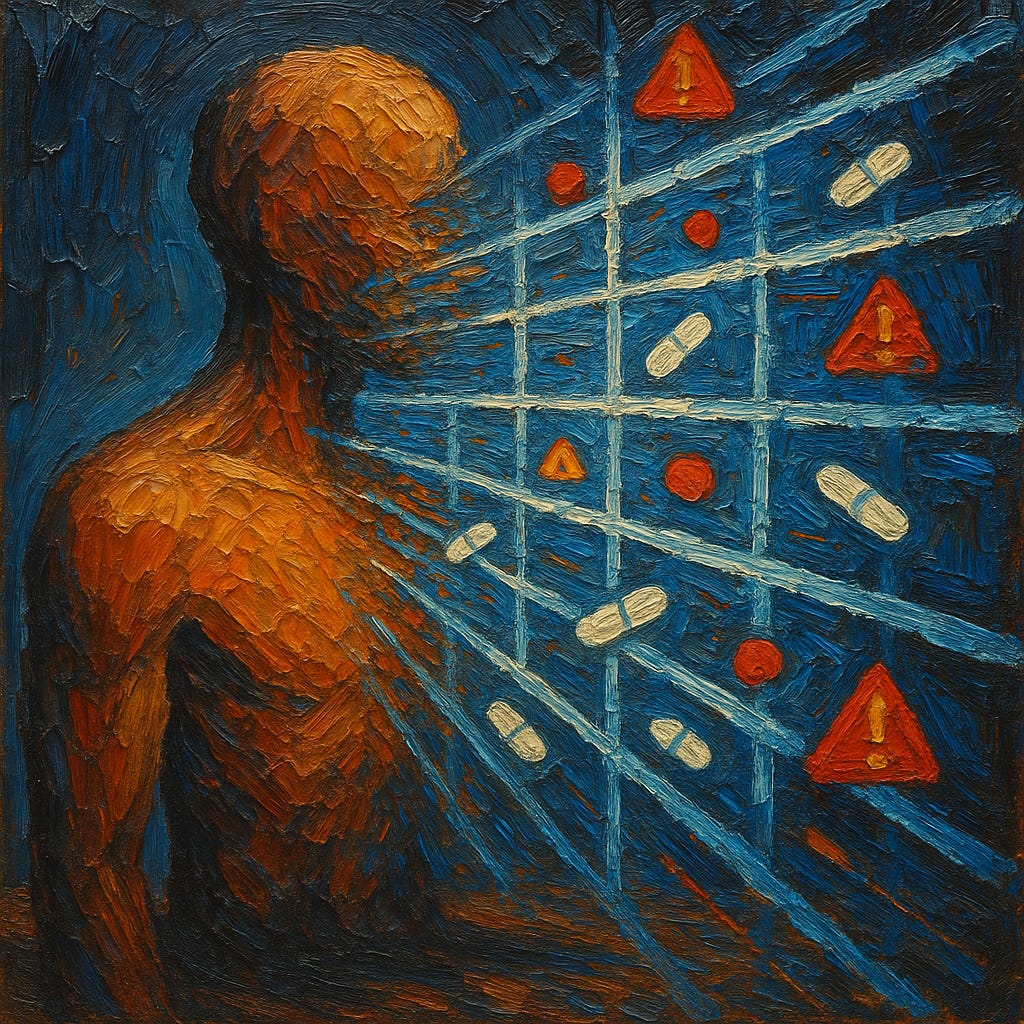
Your car’s check-engine light comes on. You take it to the shop, and the mechanic finds three other sensors flashing warnings you hadn’t even noticed. Six hundred dollars later, after replacing parts that weren’t quite broken to prevent problems that probably weren’t coming, your car runs exactly the same as before. This, according to Dr. H. Gilbert Welch and his colleagues, is modern medicine in miniature—except the stakes involve your body, not your vehicle, and the interventions carry risks far greater than an unnecessary repair bill. We’ve built a medical system so sophisticated at finding abnormalities that we can now detect “problems” our grandparents lived with unknowingly their entire lives. The question Welch, Schwartz, and Woloshin force us to confront isn’t whether we can find these abnormalities, but whether we should go looking for them at all.
The transformation began innocently enough. In the 1960s, studies proved that treating severe high blood pressure—the kind above 180/110 that caused strokes—saved lives dramatically. Success bred ambition. If treating very sick people worked so well, wouldn’t treating mildly abnormal people prevent them from becoming very sick? Medicine pivoted from its traditional role of helping people who felt ill to actively hunting for disease in people who felt fine. We started screening everyone for everything: blood pressure, cholesterol, diabetes, various cancers, bone density, arterial blockages. Then we lowered the thresholds for what counted as disease. Blood pressure that was normal in 1980 became “pre-hypertension” by 2003. A fasting glucose of 125 made you normal one day and diabetic the next when committees changed the cutoff from 140 to 126. Advanced imaging let us peer inside bodies with unprecedented clarity, finding bulging discs, thyroid nodules, gallstones, and tiny cancers that previous generations died with peacefully, never knowing they existed.
But here’s where the story turns dark. For every person helped by early detection, many more are harmed by overdiagnosis—the correct identification of abnormalities that would never have caused symptoms or death. The prostate cancer screening debacle revealed the scale of the problem: for each life saved, between 30 and 100 men were overdiagnosed, suffering impotence and incontinence from treating cancers that never threatened them. Women with DCIS detected by mammography undergo mastectomies for “stage zero breast cancer” that might never have progressed. People with mild thyroid nodules get their thyroids removed, requiring lifelong hormone replacement, for abnormalities that autopsy studies show most of us die with naturally. The cascade effect takes hold—one test leads to another, each with its own false positives and incidental findings, until healthy people emerge from the medical system damaged by treatments for diseases they never really had. Meanwhile, the overdiagnosed become the system’s most passionate advocates, genuinely believing screening saved their lives, never knowing they were actually its victims.
The forces maintaining this system run deeper than medical mistakes or misunderstandings. Every player benefits from overdiagnosis except patients: pharmaceutical companies expand markets when disease thresholds drop, device manufacturers profit from increased scanning, hospitals fill beds with people getting unnecessary procedures, and doctors avoid lawsuits by testing extensively. The authors—all physicians and researchers at Dartmouth Medical School—don’t argue against all screening or suggest abandoning modern medicine. They argue for honesty about trade-offs, for recognizing that medicine’s technological power has outpaced its wisdom, for acknowledging that sometimes the best medical care means doing less. Their book matters because it exposes how our healthcare system has confused activity with benefit, how we’ve medicalized normal human variation, and how the pursuit of health through ever-earlier detection has become a primary way we make healthy people sick. In an age where a simple executive physical can launch a cascade ending in real harm, understanding overdiagnosis isn’t just academic—it’s self-defense.
With thanks to Welch, Schwartz and Woloshin
Deep Dive Conversation Library (Bonus for Paid Subscribers Only)
This deep dive is based on the book:
Discussion No.151:
Insights and reflections from “Overdiagnosed: Making People Sick in the Pursuit of Health”
Thank you for your support.
Analogy
Imagine you own a house with an incredibly sophisticated alarm system—not just for burglars, but sensors for everything: tiny water leaks, minor temperature fluctuations, microscopic cracks in the foundation, slight settling of walls. This system is so sensitive it alerts you to “problems” that houses have naturally had for centuries without consequence. Every alert sends you into action: calling contractors, tearing open walls, replacing perfectly functional components because the sensor detected an “abnormality.” You spend your weekends not enjoying your home but responding to alarms, your savings depleted by preventive repairs for problems that would never have materialized. Your neighbor, living in an identical house without the system, relaxes on his porch, blissfully unaware of the same minor imperfections that are consuming your life. His house stands just as long, perhaps longer because it hasn’t been weakened by unnecessary interventions. This is overdiagnosis in medicine: we’ve created detection systems so sensitive they find “abnormalities” our bodies have always had and managed naturally. In our zealous pursuit of early detection, we’ve transformed healthy people into patients, treating problems that weren’t problems, creating illness in our pursuit of health. Sometimes the best way to maintain a sturdy house—or a healthy body—is to stop looking for trouble that isn’t there.
The One-Minute Elevator Explanation
Modern medicine has developed incredibly powerful tools to look inside our bodies and find abnormalities, but here’s the problem: we’re finding too much. It turns out that most of us are walking around with things that look abnormal on scans or tests but will never cause problems—bulging discs, thyroid nodules, even cancer cells that will never grow or spread. When we find these things, we can’t tell which ones are dangerous and which are harmless, so we treat them all. This means millions of people are getting surgeries, taking medications, and living with the anxiety of being “sick” when they would have been perfectly fine if we’d never looked.
Think about it like this: we’ve lowered the bar for what counts as disease. Blood pressure that was considered normal in your parents’ generation is now “pre-hypertension.” The same blood sugar that was fine twenty years ago now makes you “pre-diabetic.” Drug companies make billions, doctors avoid lawsuits, and everyone feels like they’re being proactive about health. But the evidence shows that for many of these borderline cases, treatment doesn’t help and might actually harm through side effects and complications. We’ve become so afraid of missing disease that we’re making healthy people sick in the pursuit of health.
The solution isn’t to abandon modern medicine but to be smarter about how we use it. If you have symptoms, absolutely get them checked out. But if you feel fine, think carefully before getting that whole-body scan or that screening test. Ask your doctor hard questions about the actual benefits and harms, not just the success stories. Remember that for most screening tests, hundreds of people need to be tested to help one person, while many others will be harmed by false alarms and overtreatment. Sometimes the best medical care is less medical care. [Elevator dings] If you want to learn more, look into the U.S. Preventive Services Task Force recommendations—they’re independent scientists who evaluate evidence without financial conflicts. Also research “cancer overdiagnosis” and the concept of “lead-time bias” to understand how statistics can be misleading.
12-Point Summary
1. The Car Check-Engine Light Problem Medicine has become like modern cars with hypersensitive warning systems that detect “problems” that aren’t really problems. Just as your car’s computer might alert you to sensor malfunctions that don’t affect performance, medical tests now find abnormalities that would never cause symptoms or shorten life. The author, a doctor in his fifties who hasn’t had a checkup since childhood, could easily accumulate eight or more diagnoses if he became a patient, from borderline hypertension to early cognitive impairment. These wouldn’t be misdiagnoses—the conditions technically exist—but they represent the medicalization of normal human variation and aging that previous generations simply lived with.
2. Hypertension Started the Overdiagnosis Epidemic The modern overdiagnosis phenomenon began with blood pressure treatment in the 1960s. When studies showed dramatic benefits from treating severe hypertension (over 180/110), the medical establishment reasonably wondered if treating mild elevations would also help. This launched mass screening of asymptomatic people and treatment of increasingly mild cases. While severe hypertension treatment saves lives dramatically, treating mild cases requires hundreds of people to take medications for years to prevent one adverse event, while everyone faces side effects. This pattern—proven benefit in severe cases leading to aggressive treatment of mild cases—became the template for overdiagnosis across all of medicine.
3. Moving Goalposts Create Millions of New Patients Expert panels regularly lower the numerical thresholds for diagnosing diseases, instantly converting millions of healthy people into patients. The definition of diabetes dropped from a fasting glucose of 140 to 126, adding 1.6 million new diabetics overnight. High cholesterol fell from 240 to 200, osteoporosis expanded to include “osteopenia,” and normal blood pressure keeps shrinking. These administrative decisions, often made by specialists with pharmaceutical industry ties, fundamentally alter our conception of health and disease without any biological change occurring in the affected people. The evidence that treating these borderline cases improves outcomes is often weak or absent, yet the medical-industrial complex profits enormously from expanded disease definitions.
4. Advanced Imaging Finds Too Much CT scans and MRIs detect tiny abnormalities that would have remained forever hidden in previous generations—bulging discs in people without back pain, gallstones that will never cause symptoms, small aneurysms that will never rupture. Studies of healthy volunteers show that if you scan anyone intensively enough, you’ll find something “abnormal.” Most adults have bulging discs on MRI, thyroid nodules on ultrasound, and kidney cysts on CT. The problem is that doctors cannot distinguish between findings that will cause future problems and those that won’t, leading to cascades of additional testing, procedures, and anxiety that often cause more harm than the original asymptomatic abnormality ever would have.
5. Cancer Screening Revealed Massive Overdiagnosis Prostate cancer screening with PSA testing provided definitive proof of cancer overdiagnosis on a massive scale. When PSA testing became widespread, prostate cancer diagnoses skyrocketed without corresponding decreases in death rates. Autopsy studies revealed that most elderly men who die of other causes have prostate cancer cells in their glands—these cancers are incredibly common but usually harmless. For every life saved by PSA screening, between 30 and 100 men are overdiagnosed and experience impotence, incontinence, and other serious complications from treating cancers that never threatened their lives. Even the test’s discoverer now calls routine PSA screening a “public health disaster.”
6. Breast Cancer Screening’s Uncomfortable Truth Mammography represents medicine’s most emotionally charged screening debate because it involves a deeply feared disease affecting many women. While mammography can save lives, it also detects many cases of DCIS and small invasive cancers that would never have caused harm. Studies suggest that for every woman whose life is saved, many more are overdiagnosed and undergo unnecessary surgery, radiation, and chemotherapy. The complexity is compounded by breast cancer being many different diseases with vastly different behaviors. The debate has become so politicized that scientists suggesting less screening face Congressional hearings and public vilification, while overdiagnosed women become screening’s most passionate advocates, never knowing they were actually harmed.
7. Incidentalomas Create Impossible Dilemmas Incidentalomas—findings discovered accidentally when looking for something else—have become epidemic as imaging use has exploded. Half of all people undergoing whole-body CT scanning have at least one incidentaloma discovered. These create cascades of anxiety and additional testing that can consume years and thousands of dollars. The vast majority prove harmless, but the small possibility of cancer makes them impossible to ignore. Each finding triggers branching decisions: biopsy, repeated scanning, or surgery? Patients live under clouds of uncertainty while doctors face the dilemma of risking missing rare cancers versus causing near-certain harm through invasive testing of benign findings.
8. Genetic Testing Medicalizes the Future DNA testing represents the ultimate frontier of overdiagnosis, capable of labeling healthy people with diseases they don’t have and may never develop. Unlike traditional diagnosis based on current symptoms, genetic testing identifies risk decades before any disease manifestation, creating “unpatients”—healthy people living under shadows of genetic predisposition. Most genetic variants only modestly increase risk and interact complexly with environmental factors. People with genetic markers face discrimination in insurance and employment, alter major life decisions, and spend decades anxiously monitoring for conditions that may never materialize. Genetic testing often provides knowledge without power—the ability to worry without the ability to prevent.
9. The System Rewards More Diagnosis Every sector of healthcare benefits financially from overdiagnosis: pharmaceutical companies sell more drugs when disease definitions expand, device manufacturers profit from increased testing, hospitals fill beds with people undergoing procedures, and doctors generate revenue from office visits and interventions. The entire economic structure rewards finding and treating abnormalities, not maintaining health. Beyond direct financial incentives, the system creates indirect pressures—researchers build careers discovering new diseases, specialty societies advocate for more screening in their areas, patient advocacy groups (often pharma-funded) campaign for earlier detection, and politicians score points supporting prevention programs that actually represent overdiagnosis.
10. Fear Drives the Overdiagnosis Machine Fear operates as the primary emotional engine from both sides of the medical encounter. Patients fear missing something that could kill them, imagining themselves as the one person whose cancer could have been caught early. Doctors fear malpractice suits for missing diagnoses but face no legal consequences for overdiagnosis, creating powerful incentives to test extensively. The legal system’s asymmetry means the safest strategy is always more testing, regardless of whether this represents good medicine. Fear-based awareness campaigns, media stories of young people dying from “preventable” cancers, and a culture viewing more medical care as always better create self-reinforcing cycles where fearful patients demand tests from fearful doctors who readily comply.
11. Population Benefits Mask Individual Harms Screening programs can show population-level benefits even when most participants are harmed. If screening 10,000 women prevents five breast cancer deaths but causes 500 unnecessary biopsies, 100 overdiagnoses with treatment, and thousands of false-positive scares, the population shows mortality benefit while most individuals experience only harm. Public health officials focus on lives saved while individuals live with personal consequences. Everyone hopes to be the life saved, nobody expects to be overdiagnosed, and harms remain statistical abstractions until becoming personal realities. This disconnect between population and individual perspectives creates fundamental tensions in screening policy and explains why screening remains popular despite unfavorable benefit-to-harm ratios for most participants.
12. The Path Forward Requires Fundamental Change Achieving balance requires transforming how medicine approaches diagnosis, moving from finding everything to selective strategies based on evidence of net benefit. Medical education must teach about overdiagnosis as thoroughly as underdiagnosis. Payment systems need restructuring to reward appropriate restraint rather than maximum testing. Legal reforms should protect physicians following evidence-based guidelines recommending less screening. Research funding must shift from early detection bias to studying which abnormalities progress versus remain stable. Healthcare delivery needs longer appointments for complex discussions, decision aids presenting benefits and harms clearly, and quality metrics that don’t penalize less testing. Most fundamentally, medical culture must recognize that sometimes the best care means doing less, accepting uncertainty, and acknowledging the limits of early detection.
The Golden Nugget
The most profound and least known idea in this book is that overdiagnosis creates its own constituency of grateful advocates who unknowingly perpetuate the harm. When someone is overdiagnosed with cancer—meaning they have real cancer cells that would never have caused problems—they undergo treatment and become survivors who genuinely believe screening saved their lives. These passionate, sincere survivors become powerful voices advocating for more screening, sharing testimonials, lobbying politicians, and convincing others to get tested. But here’s the tragic irony: the more overdiagnosis a screening test causes, the more “survivors” it creates, and the more popular and politically untouchable it becomes. This creates an almost unbreakable cycle where the victims of medical harm become its strongest supporters, making evidence-based reform nearly impossible because those harmed by overdiagnosis never know they were harmed—they think they were saved. It’s a perfect trap: the worse a screening test performs in terms of overdiagnosis, the more enthusiastic testimonials it generates, creating a perpetual motion machine of medical harm powered by gratitude and good intentions.
30 Q&As
1. What is overdiagnosis and how does it differ from misdiagnosis or false positive results?
Overdiagnosis occurs when doctors correctly identify a real abnormality or disease that meets all the technical criteria for diagnosis, but that condition would never have caused symptoms or shortened the person’s life. Unlike misdiagnosis, where the diagnosis is simply wrong, or false positives, where test results incorrectly suggest disease when none exists, overdiagnosis involves finding real conditions that are technically present but clinically irrelevant. The fundamental problem is that these diagnosed conditions would have remained harmless if left undetected, yet once found, they trigger a cascade of medical interventions with all their attendant risks, costs, and anxieties.
The distinction matters enormously because overdiagnosed patients cannot benefit from treatment—there was nothing threatening their health in the first place—but they can certainly be harmed by it. When someone is overdiagnosed with cancer, for instance, they have actual cancer cells that a pathologist can see under the microscope, but these cells would have never grown, spread, or caused problems during their lifetime. They might undergo surgery, radiation, or chemotherapy for a “disease” that was never going to affect them, experiencing real side effects and complications from treating something that required no treatment. This creates the perfect storm of medical harm: all risk with no possibility of benefit.
2. How did the treatment of high blood pressure evolve to become the genesis of modern overdiagnosis?
The story begins in the 1960s with the VA cooperative study, which demonstrated dramatic benefits from treating severe hypertension—people with blood pressures over 180/110 were having strokes and dying, and medication prevented these catastrophic events. This clear success led to a reasonable question: if treating very high blood pressure saves lives, wouldn’t treating moderately high blood pressure also help? The medical community began screening millions of asymptomatic people, identifying those with milder elevations, and prescribing medications. This marked a fundamental shift in medicine from treating sick patients who came seeking help to actively searching for abnormalities in people who felt perfectly fine.
What emerged was a pattern that would repeat across medicine: proven benefit in severe cases led to aggressive intervention in mild cases, where the balance of benefit and harm was far less clear. Studies showed that while treating mild hypertension might prevent some heart attacks and strokes, the numbers needed to treat were enormous—hundreds of people taking medications for years to prevent one bad outcome—while everyone faced the risks of side effects, costs, and being transformed into a patient. The hypertension experience established the template for modern overdiagnosis: expanding disease definitions, lowering treatment thresholds, and creating millions of new patients from the ranks of the healthy, all based on the assumption that if some treatment is good, more must be better.
3. What happens when medical professionals change the numerical thresholds for diagnosing conditions like diabetes, high cholesterol, and osteoporosis?
When medical committees lower the numerical cutoffs for diagnosing diseases, millions of people become patients overnight without any change in their actual health. A person with a fasting blood sugar of 125 might be normal one day and diabetic the next, simply because experts decided to lower the threshold from 140 to 126. Similarly, changes in cholesterol guidelines or bone density criteria can instantly create vast new populations requiring treatment. These aren’t discoveries of previously unrecognized disease; they’re administrative decisions that expand the definition of illness to include milder and milder abnormalities.
The consequences ripple through the entire healthcare system and society. Pharmaceutical companies see their markets expand dramatically—suddenly millions more people “need” diabetes drugs, statins, or osteoporosis medications. Healthy people begin thinking of themselves as sick, organizing their lives around medical appointments and pill schedules. Healthcare costs soar as resources flow toward treating numerical abnormalities in people who feel fine, potentially diverting attention and funds from those who are genuinely ill. Most troublingly, the evidence that treating these borderline cases improves outcomes is often weak or absent, meaning we may be medicalizing normal human variation with little benefit but substantial potential for harm.
4. How do advanced imaging technologies like CT scans and MRIs contribute to finding abnormalities that may never cause symptoms?
Modern scanning technology can detect incredibly tiny abnormalities that would have remained forever hidden in previous generations. CT scanners and MRIs act like microscopes for the living body, revealing bulging discs, gallstones, knee cartilage tears, small blood clots, and tiny aneurysms in people who have no symptoms whatsoever. Studies of healthy volunteers show that if you scan anyone hard enough, you’ll find something “wrong”—most adults have bulging discs visible on MRI, many have gallstones they’ll never know about, and knee abnormalities are ubiquitous in people who have no knee pain. These technologies have fundamentally changed what it means to be “normal.”
The challenge is that doctors often cannot distinguish between abnormalities that will cause future problems and those that won’t, leading to a cascade of interventions. Finding a small aneurysm creates an impossible dilemma: most will never rupture, but the few that do can be fatal. Do you perform risky brain surgery to clip an aneurysm that probably would have never caused harm? Discovery of a bulging disc in someone with back pain seems like finding the cause, but studies show these bulges are equally common in people without back pain. The scans themselves become a source of iatrogenic harm, not through radiation exposure alone, but through the anxiety, additional testing, and unnecessary treatments that follow the inevitable discovery of some imperfection in the magnificent complexity of the human body.
5. What did the experience with PSA screening for prostate cancer reveal about the existence and extent of cancer overdiagnosis?
PSA screening provided the clearest proof that cancer overdiagnosis was not just theoretical but a massive practical problem. When PSA testing became widespread in the late 1980s, prostate cancer diagnoses skyrocketed without a corresponding decrease in prostate cancer deaths. Autopsy studies revealed the stunning truth: most elderly men who die of other causes have prostate cancer cells in their glands, meaning these cancers are incredibly common but usually harmless. The test was finding real cancers that would have never caused problems, but once detected, they were treated aggressively with surgery or radiation.
The scale of overdiagnosis in prostate cancer proved shocking—estimates suggest that for every man whose life is saved by PSA screening, between 30 and 100 are overdiagnosed and overtreated. These men experience impotence, incontinence, and other serious complications from treating cancers that never threatened their lives. The prostate cancer experience demonstrated that our ability to detect cancer had far outpaced our ability to predict which cancers need treatment, creating an epidemic of overtreatment. Even Dr. Richard Ablin, who discovered PSA, later called routine PSA screening a “public health disaster,” acknowledging that the test couldn’t distinguish between lethal and harmless cancers.
6. Why is breast cancer screening particularly complex when weighing benefits against the risks of overdiagnosis?
Breast cancer screening with mammography presents one of medicine’s most contentious and emotionally charged debates because it involves a deeply feared disease that affects many women. While mammography can detect cancers early and save lives, it also finds many cases of ductal carcinoma in situ (DCIS) and small invasive cancers that would never have caused harm. Studies suggest that for every woman whose life is saved by mammography, many more are overdiagnosed and undergo surgery, radiation, and chemotherapy unnecessarily. The complexity is compounded by the fact that breast cancer is not one disease but many different conditions with vastly different behaviors, from aggressive tumors that kill quickly to indolent ones that remain dormant for decades.
The emotional and social dimensions make rational discussion particularly difficult. Women who believe screening saved their lives become powerful advocates, though many were likely overdiagnosed—their cancers would never have killed them even without treatment. The screening debate has become politicized, with Congressional hearings attacking scientists who suggest less screening might be appropriate. Fear drives much of the discourse: women fear missing a cancer, doctors fear lawsuits, and politicians fear appearing unsupportive of women’s health. Meanwhile, the technology keeps improving, finding ever-smaller abnormalities of increasingly uncertain significance, making the balance between benefit and harm ever more precarious.
7. What are incidentalomas and why do they present such difficult dilemmas for doctors and patients?
Incidentalomas are abnormalities discovered by accident when scanning for something else entirely—a nodule in the lung noticed on a CT scan ordered for abdominal pain, an adrenal mass found during back imaging, or a thyroid nodule spotted on a carotid ultrasound. These unexpected findings have become epidemic as imaging use has exploded; studies suggest that half of all people who undergo whole-body CT scanning will have at least one incidentaloma discovered. The term itself captures the medical profession’s ambivalence about these findings—the playful suffix “-oma” (usually meaning tumor) attached to “incidental” suggests something both potentially serious and probably irrelevant.
Once discovered, incidentalomas create cascades of anxiety and additional testing that can consume months or years and thousands of dollars. The vast majority prove harmless, but the small possibility of cancer makes them impossible to ignore. Each incidentaloma triggers a branching tree of decisions: Should we biopsy? Scan again in six months? Operate now? The psychological burden on patients can be enormous—living with the knowledge of a “spot” that might be cancer, undergoing repeated scans, waiting for results. Doctors face their own dilemmas, caught between the risk of missing a rare cancer and the near-certainty of causing harm through invasive testing of benign findings. The incidentaloma phenomenon perfectly illustrates how our powerful diagnostic tools have created new forms of iatrogenic suffering.
8. How does screening for non-cancer conditions in adults and newborns create new categories of patients?
Screening programs for conditions beyond cancer have proliferated, testing for everything from osteoporosis and abdominal aneurysms in adults to dozens of rare metabolic disorders in newborns. Each screening test creates its own population of pre-patients: people with borderline bone density become pre-osteoporotic, those with slightly elevated blood sugar become pre-diabetic, and parents of newborns flagged by expanded screening panels enter a twilight zone of worried waiting. These programs often begin with good intentions—preventing hip fractures in the elderly or catching treatable metabolic disorders in infants—but they inevitably capture many people who would never have developed problems.
Newborn screening particularly illustrates the complexity, as programs have expanded from testing for a few conditions to screening for dozens of rare disorders. While some babies are saved from mental retardation or death, many more families endure the trauma of false-positive results or the detection of mild variants that may never cause symptoms. Parents describe months of anguish waiting for confirmatory tests, only to learn their child has a genetic variant of unknown significance. The medical system has become remarkably efficient at creating anxiety and turning healthy people into patients-in-waiting, all while the evidence for net benefit from many screening programs remains surprisingly thin.
9. What are the implications of genetic testing for creating future disease labels in currently healthy people?
Genetic testing represents the ultimate frontier of overdiagnosis, capable of labeling people with diseases they don’t have and may never develop. Unlike traditional diagnosis based on current signs and symptoms, genetic testing can identify risk decades before any manifestation of disease, creating a new class of “unpatients”—healthy people living under the shadow of genetic predisposition. As DNA sequencing becomes cheaper and more widespread, millions of people are discovering they carry variants associated with increased risk for conditions ranging from Alzheimer’s to various cancers, though most of these variants only modestly increase risk and interact complexly with environmental factors.
The psychological and social ramifications extend far beyond medical care. People with genetic markers for disease may face discrimination in insurance and employment, alter major life decisions about marriage and childbearing, and spend decades anxiously monitoring for signs of conditions that may never materialize. The genetic revolution has given us the power to medicalize not just the present but the future itself, creating patients out of statistical probabilities. Most troublingly, for the vast majority of genetic findings, we have no proven interventions to prevent the conditions predicted, meaning genetic testing often provides knowledge without power—the ability to worry without the ability to prevent.
10. Why does the medical-industrial complex have inherent incentives to promote more diagnosis rather than less?
Every sector of the healthcare industry benefits financially from more diagnosis: pharmaceutical companies sell more drugs when disease thresholds are lowered, device manufacturers profit from increased testing, hospitals fill beds with people undergoing procedures, and doctors generate revenue from office visits and interventions. The entire economic structure rewards finding and treating abnormalities, not keeping people healthy and undiagnosed. A patient who never needs medical care generates no revenue, while someone diagnosed with multiple conditions requiring regular monitoring and treatment becomes a reliable source of income for years or decades.
Beyond direct financial incentives, the system creates powerful indirect pressures toward overdiagnosis. Medical researchers build careers on discovering new diseases or expanding definitions of existing ones. Specialty societies advocate for more screening in their particular area, as no cardiology group will argue for less cardiac testing. Patient advocacy organizations, often funded by pharmaceutical companies, campaign for earlier detection and more aggressive treatment. Politicians score easy points supporting prevention and early detection programs. The media amplifies stories of missed diagnoses while ignoring the quiet harm of overdiagnosis. Every actor in the system has reasons to support more diagnosis, while few have incentives to question whether we might be doing too much.
11. How do changing diagnostic rules affect the number of people labeled as diseased without actually improving health outcomes?
When expert panels lower diagnostic thresholds, they instantly create millions of new patients without any biological change occurring in those people. The definition of diabetes changed from a fasting glucose of 140 to 126, adding 1.6 million new diabetics in America overnight. The definition of high cholesterol dropped from 240 to 200, making millions more candidates for statin therapy. Osteoporosis criteria expanded to include “osteopenia,” labeling millions of women with a pre-disease. These administrative decisions, often made by specialists with financial ties to pharmaceutical companies, fundamentally alter who is considered sick versus healthy in our society.
The evidence that treating these newly diagnosed cases improves outcomes is often weak or entirely absent. Studies typically show that treating severe cases provides clear benefits, but as thresholds drop to include milder cases, the benefits diminish while the harms remain constant. A person with a cholesterol of 205 faces the same side effects from statins as someone with a level of 340, but their absolute risk reduction is far smaller. Resources flow toward treating numerical abnormalities in the worried well while genuinely sick people may struggle to access care. The medical system becomes increasingly focused on risk factors rather than actual disease, treating numbers rather than people, and creating a therapeutic cascade that may cause more harm than the conditions being treated.
12. What role does fear play in driving both public demand and medical supply of screening tests?
Fear operates as the primary emotional engine driving overdiagnosis from both sides of the medical encounter. Patients fear missing something that could kill them, imagining themselves as the one person whose cancer could have been caught early if only they’d had that scan or screening test. This fear is stoked by awareness campaigns that emphasize death and regret, by media stories of young people dying from cancers that “should” have been caught, and by a culture that views more medical care as always better. People demand screening tests not because they understand the statistics of benefit and harm, but because the test offers a talisman against their deepest anxieties about mortality and suffering.
Doctors operate under their own constellation of fears: fear of missing a diagnosis and being sued, fear of that one patient whose cancer they didn’t catch early, fear of appearing less thorough than colleagues who order more tests. The malpractice system reinforces these fears asymmetrically—doctors get sued for missing diagnoses but almost never for overdiagnosis, creating powerful legal incentives to test extensively. The result is a self-reinforcing cycle where fearful patients demand tests from fearful doctors who are only too happy to comply, with both parties believing they’re being prudent and careful. Meanwhile, the real harms of overdiagnosis—the unnecessary surgeries, the radiation exposure, the psychological trauma of false positives—remain invisible because they’re diffuse, delayed, and never definitively linked to the original decision to screen.
13. How do malpractice concerns influence physicians’ decisions about ordering diagnostic tests?
The malpractice system creates a powerful one-way ratchet toward more testing because physicians face legal liability for underdiagnosis but virtually never for overdiagnosis. A doctor who fails to order a PSA test might be sued if a patient later develops advanced prostate cancer, even though screening guidelines don’t recommend routine testing. But a doctor whose PSA testing leads to unnecessary biopsies, surgeries, and a lifetime of impotence and incontinence faces no legal consequences—the harmed patient is grateful his “cancer” was caught early. This asymmetry means that from a legal perspective, the safest strategy is always to test more, screen more, and diagnose more, regardless of whether this represents good medicine.
Studies of physician behavior confirm that malpractice fears substantially drive overtesting, with doctors in high-liability states ordering significantly more diagnostic tests than those in states with malpractice reform. Surveys reveal that many physicians openly admit to practicing “defensive medicine,” ordering tests they believe are medically unnecessary primarily to protect themselves legally. The tragedy is that this defensive testing doesn’t just waste money; it actively harms patients through false positives, overdiagnosis, and cascade effects. The legal system, intended to protect patients from medical negligence, has created incentives that systematically expose patients to unnecessary medical risks, turning the law into an engine of iatrogenic harm.
14. What is the spectrum of abnormality and where does the zone of net harm from treatment begin?
The spectrum of abnormality represents a continuous gradient from severe disease that clearly requires treatment to mild variations that are essentially normal. At one extreme are people with severely elevated blood pressure who are having strokes—treatment unquestionably saves lives. At the other extreme are people with borderline elevations who will never experience any consequences. Between these extremes lies a gray zone where the benefits of treatment gradually diminish while the harms remain constant, eventually reaching a crossover point where treatment causes more harm than good. The challenge is that this transition zone is invisible—we cannot identify precisely which individuals will benefit versus be harmed.
Understanding this spectrum revolutionizes how we think about diagnosis and treatment. Traditional medical thinking operates in binary terms—you either have a disease or you don’t—but biology operates on continua. Blood pressure, blood sugar, cholesterol, bone density, and even cancer exist on spectrums of severity. As we push diagnostic thresholds lower and detect milder abnormalities, we inevitably move into zones where treatment helps few but potentially harms many. The zone of net harm isn’t theoretical—it’s where millions of people now live, taking medications for borderline conditions, undergoing surveillance for tiny abnormalities, and experiencing the side effects and anxieties of patienthood without corresponding benefits. Recognizing this spectrum means acknowledging that earlier detection and treatment are not always better and that sometimes the best medical care means doing less.
15. Why do randomized controlled trials sometimes show different results than observational studies for screening effectiveness?
Randomized controlled trials (RCTs) often show much smaller benefits from screening than observational studies because RCTs avoid the systematic biases that make screening look more effective than it really is. Observational studies suffer from healthy volunteer bias—people who choose screening tend to be healthier, more educated, and more engaged with their health than those who don’t, so they naturally have better outcomes regardless of screening. They also suffer from lead-time bias, where screening appears to extend survival simply by detecting disease earlier without actually changing the date of death, and length-time bias, where screening preferentially detects slow-growing cancers that were never destined to kill, making survival rates look artificially improved.
RCTs eliminate these biases by randomly assigning people to screening or no screening, ensuring the groups are comparable in all ways except the intervention being tested. When subjected to this rigorous methodology, many screening tests that looked promising in observational studies show marginal or no benefit. The stark difference between study types explains much of the controversy in screening: observational studies make screening look like a miraculous lifesaver, while RCTs reveal modest benefits that must be weighed against substantial harms. This discrepancy isn’t academic—it determines whether millions of people undergo screening, whether billions of dollars flow toward early detection programs, and ultimately whether we’re helping or harming the people we seek to protect.
16. What psychological effects do abnormal screening results have on patients, even when they turn out to be false alarms?
The psychological trauma of abnormal screening results can persist long after the results prove false, creating what researchers call “the cascade of anxiety.” Studies show that women with false-positive mammograms experience elevated anxiety and worry about cancer that can last for years, even after being cleared. People describe the period between abnormal results and resolution as a living nightmare—unable to sleep, concentrate at work, or enjoy normal activities while awaiting their potential death sentence. The medical system treats false positives as minor inconveniences, but for those who experience them, they represent profound psychological crises that can permanently alter their relationship with their body and health.
Beyond immediate anxiety, false positives create lasting changes in health behavior and self-perception. People who have experienced false alarms often become hypervigilant, interpreting normal bodily sensations as potential signs of disease. Some develop health anxiety disorders requiring psychological treatment. Others paradoxically avoid future medical care, traumatized by their experience. Many describe feeling betrayed by a medical system that put them through hell for nothing. The psychological harms extend to families—spouses, children, and parents who share the anguish of the waiting period. These psychological costs never appear in the cost-benefit analyses of screening programs, remaining invisible casualties of our enthusiasm for early detection.
17. How does the popularity paradox of screening create self-reinforcing cycles that perpetuate overdiagnosis?
The popularity paradox describes how screening becomes more popular the more people it harms through overdiagnosis. Everyone diagnosed through screening believes they’re a success story—their cancer was “caught early” and their life was “saved.” But many of these people were actually overdiagnosed; their cancers would never have caused problems. These overdiagnosed individuals become screening’s most passionate advocates, sharing testimonials about how screening saved their lives, unaware they were actually harmed by unnecessary treatment. The more overdiagnosis a screening test causes, the more survivors it creates, and the more popular it becomes—a cruel irony where harm masquerades as benefit.
This paradox creates multiple self-reinforcing cycles that entrench screening programs regardless of their actual value. Politicians hear from grateful survivors, not from those harmed by overdiagnosis who don’t know they were harmed. Doctors see happy patients who credit them with lifesaving early detection, reinforcing their belief in screening. Media amplifies survivor stories while ignoring the statistical reality of overdiagnosis. Advocacy groups, filled with survivors who may have been overdiagnosed, campaign for more screening. Anyone questioning screening faces accusations of heartlessness or ignorance from armies of sincere but misled survivors. The paradox makes screening programs essentially immune to evidence-based criticism, as the very harms they cause generate the political and social capital that perpetuates them.
18. What is the difference between treating symptoms versus treating asymptomatic conditions discovered through screening?
Treating symptoms represents medicine at its most straightforward and effective: someone feels sick, seeks help, receives treatment, and hopefully feels better. The feedback is immediate and personal—patients know whether their pain decreased, their breathing improved, or their function returned. There’s an inherent safeguard against overtreatment because people generally won’t continue treatments that make them feel worse than their original symptoms. The doctor-patient relationship centers on alleviating suffering that the patient has identified as problematic enough to seek help.
Treating asymptomatic conditions discovered through screening operates on entirely different principles. People who feel perfectly fine are told they have a disease requiring treatment to prevent future problems that may never occur. The benefits are statistical and invisible—you never know if you were the one person in hundreds who avoided a heart attack because of blood pressure medication. But the harms are immediate and personal—side effects, costs, and the psychological burden of being a patient. There’s no natural feedback mechanism to prevent overtreatment because people can’t tell if prevention is working. The entire enterprise requires faith in population statistics and expert opinion rather than personal experience of improvement, fundamentally changing the nature of medical care from healing the sick to processing the well through an industrial system of risk reduction.
19. How do pharmaceutical companies and medical device manufacturers influence diagnostic thresholds and screening recommendations?
Pharmaceutical companies and device manufacturers have perfected subtle methods of influencing diagnostic thresholds that expand markets for their products. They fund research that inevitably finds benefits from treating milder disease, sponsor medical education that emphasizes aggressive diagnosis, and provide grants to patient advocacy groups that campaign for more screening. Most insidiously, they ensure that experts who write guidelines have financial ties to industry—receiving speaking fees, consulting arrangements, and research support. When committees lower the threshold for treating cholesterol or diabetes, committee members often have extensive industry relationships, creating obvious conflicts of interest in decisions worth billions in expanded markets.
The influence extends throughout the medical ecosystem in ways that appear benign but systematically bias toward overdiagnosis. Companies fund disease awareness campaigns that encourage people to get tested, provide free screening programs that identify new patients, and develop continuing medical education that teaches doctors to screen aggressively. They ghost-write articles in medical journals emphasizing the dangers of underdiagnosis while minimizing overdiagnosis concerns. They create patient assistance programs that seem charitable but actually prime the pump for long-term medication use. The genius of this influence is its invisibility—each component seems reasonable in isolation, but together they create an irresistible tide toward expanding disease definitions and lowering treatment thresholds, turning healthy people into profitable patients.
20. Why might small abnormalities discovered early sometimes be better left alone rather than treated?
Small abnormalities often represent the body’s normal variation or minor imperfections that would never progress to cause harm. Many cancers grow so slowly that people die with them, not from them—autopsy studies reveal that most elderly men have prostate cancer, most adults have thyroid nodules, and many have small kidney cancers they never knew about. These findings suggest that our bodies routinely develop abnormalities that our natural defenses contain or that simply lack the biological aggression to cause problems. Treating these indolent conditions cannot provide benefit because they were never destined to cause harm, but treatment can certainly cause complications, side effects, and diminished quality of life.
The fundamental problem is our inability to distinguish between abnormalities that will progress and those that won’t. We cannot tell which small breast cancer will metastasize versus remain dormant, which aneurysm will rupture versus remain stable, which thyroid nodule will grow versus shrink. In the face of this uncertainty, medical culture defaults to action—when in doubt, cut it out. But accumulating evidence suggests this aggressive approach often does more harm than good. Some abnormalities even regress spontaneously—cancers that disappear, disc bulges that resolve, even aneurysms that shrink. By reflexively treating every abnormality we find, we not only cause unnecessary harm but also prevent the opportunity to learn which conditions truly require intervention versus those better left to the body’s own regulatory mechanisms.
21. What role does direct-to-consumer advertising play in creating demand for medical testing and diagnosis?
Direct-to-consumer pharmaceutical advertising, legal only in the United States and New Zealand, has transformed patients into informed consumers demanding specific tests and treatments they’ve seen advertised. Television commercials encourage viewers to “ask your doctor” about medications for conditions they didn’t know existed, subtly teaching people to interpret normal experiences as symptoms of disease. A tired person learns they might have low testosterone, someone with occasional heartburn discovers they have GERD, and anyone who urinates at night wonders if they have an enlarged prostate. The advertisements work by creating disease awareness and anxiety simultaneously, making people question whether they’re sick while offering a convenient solution.
The impact extends beyond drug advertisements to include aggressive marketing of screening tests, whole-body scans, and genetic testing directly to consumers. Companies bypass medical gatekeepers by offering tests online or at shopping malls, promising peace of mind through early detection. They exploit people’s fears with testimonials from those whose lives were allegedly saved, never mentioning the thousands harmed by false positives and overdiagnosis. The advertising creates a vicious cycle: worried people demand tests from doctors who acquiesce to maintain patient satisfaction, leading to more diagnoses, more treatment, and more people convinced they were saved by early detection. The commercialization of diagnosis has turned a medical decision requiring careful consideration of benefits and harms into a consumer product marketed with all the sophistication of modern advertising.
22. How can patients evaluate whether a screening test is likely to help them more than harm them?
Evaluating screening requires understanding your personal risk factors and the test’s performance characteristics in people like you. Age matters enormously—screening generally provides more benefit to those in middle age than to the very young or very old. Family history and personal risk factors affect the likelihood that you have the disease and thus the potential benefit from finding it early. You need to know not just the relative risk reduction from screening (which sounds impressive) but the absolute risk reduction (which is usually tiny). If a test reduces cancer death by 20 percent but your baseline risk is only 1 in 1,000, the absolute benefit is a reduction from 1 in 1,000 to 0.8 in 1,000—hardly compelling for a test with significant false-positive rates.
Understanding the harms requires asking uncomfortable questions doctors may not volunteer. What is the false-positive rate, and what additional testing follows an abnormal result? What percentage of people diagnosed through screening are overdiagnosed? What are the physical and psychological consequences of treatment for screen-detected disease? How does the test perform in finding aggressive versus indolent disease? Many screening tests preferentially detect slow-growing, less dangerous conditions while missing aggressive cases that develop between screenings. The decision ultimately depends on your values—some people prioritize avoiding any chance of late diagnosis, while others want to minimize medical intervention. But without accurate information about both benefits and harms, informed decision-making is impossible, and you become vulnerable to making fear-based choices that may not serve your best interests.
23. What questions should patients ask their doctors before undergoing screening or accepting a diagnosis?
Before screening, ask your doctor to explain in absolute numbers how many people like you need to be screened to prevent one death from the disease, and compare this to how many will experience false positives, overdiagnosis, and complications from subsequent testing and treatment. Request specific information about what happens if the test is abnormal—what additional tests follow, what are their risks, and how often do they find nothing wrong? Ask about the possibility of watchful waiting if something is found, rather than immediate treatment. Inquire whether there’s good evidence that people who get screened actually live longer overall, not just longer after diagnosis, which can be misleading due to lead-time bias.
When given a diagnosis, especially for an asymptomatic condition, ask crucial questions about the natural history of the condition. What happens if we don’t treat this—how many people with this finding develop problems, and over what timeframe? Is there evidence that treating this particular severity of abnormality improves outcomes that matter to you? What are all the potential side effects of treatment, both common and rare? Are there non-medical approaches that might be tried first? Perhaps most importantly, ask whether this is truly a disease requiring treatment or simply a risk factor or variation that has been medicalized. Push for specific numbers rather than vague reassurances, and don’t be satisfied with “we always treat this” without understanding why.
24. Why is it important to understand the concept of lead-time bias when interpreting cancer survival statistics?
Lead-time bias creates the illusion that screening extends life when it merely extends the time someone knows they have cancer. Imagine two identical patients with the same cancer destined to kill them at age 70. One gets screened at age 60, is diagnosed, and lives ten years with the diagnosis. The other develops symptoms at age 68, gets diagnosed, and lives two years with the diagnosis. Both died at exactly the same age, but screening appears to have given the first patient eight extra years of survival. This isn’t real benefit—it’s simply starting the clock earlier. Five-year survival statistics, commonly used to promote screening, are particularly vulnerable to this bias, making screening look effective even when it doesn’t save a single life.
This bias profoundly distorts public understanding of screening effectiveness and fuels continued enthusiasm for programs that may offer little benefit. When advocacy groups claim that screening has dramatically improved five-year survival rates for various cancers, they’re often citing lead-time bias rather than genuine life extension. The only way to avoid this bias is to look at mortality rates in randomized trials—does screening actually reduce the number of people dying from the disease? Often the answer is no, or the benefit is far smaller than survival statistics suggest. Understanding lead-time bias is crucial for patients making screening decisions because it reveals how statistical manipulation can make ineffective interventions appear lifesaving, converting the worried well into grateful patients through mathematical sleight of hand rather than medical benefit.
25. How does the cascade effect work when one test result leads to multiple additional tests and interventions?
The cascade effect begins innocuously with a single test, often ordered for vague symptoms or as part of routine screening. That test reveals something slightly abnormal—not clearly dangerous but not clearly benign either. This triggers the next test to better characterize the finding, which might show something else requiring investigation. Each step seems reasonable in isolation, but the cumulative effect can be devastating. A executive gets a whole-body CT scan that shows a lung nodule, leading to a follow-up CT, then a PET scan, then a bronchoscopy, then surgery to remove what proves to be benign scar tissue, with complications requiring additional interventions. What started as a wellness check ends with real harm from treating a non-disease.
The cascade demonstrates how modern medicine’s technological power can become a trap, where our ability to detect exceeds our ability to understand what we’re detecting. Each specialist involved focuses on their piece of the puzzle, following established protocols that mandate further investigation of uncertain findings. No single doctor feels responsible for the cascade, and stopping it requires someone to accept the legal and professional risk of missing something important. Patients, initially reassured by thorough evaluation, become increasingly anxious as abnormalities accumulate, often pushing for more aggressive intervention to resolve the uncertainty. The cascade effect reveals how the medical system’s default toward action, combined with fragmented care and defensive medicine, can transform healthy people into damaged patients through a series of individually reasonable but collectively harmful decisions.
26. What are the differences between population-level benefits and individual-level risks in screening programs?
Population-level statistics can make screening programs appear beneficial even when most individuals who participate are harmed. If screening 10,000 women prevents five breast cancer deaths but causes 500 to have unnecessary biopsies, 100 to be overdiagnosed and treated unnecessarily, and thousands to experience anxiety from false positives, the population shows a mortality benefit while most participants experience only harm. Public health officials focus on the aggregate benefit—lives saved—while individuals must live with the personal consequences of false positives, overdiagnosis, and treatment complications. This disconnect between population and individual perspectives creates fundamental tensions in screening policy.
The challenge intensifies because individuals cannot know in advance whether they’ll be among the few who benefit or the many who are harmed. Everyone hopes to be the life saved, nobody expects to be overdiagnosed, and the harms remain statistical abstractions until they become personal realities. This asymmetry of hope versus experience explains why screening remains popular despite unfavorable benefit-to-harm ratios. Public health messaging emphasizes the population benefit without adequately conveying individual risks, leading people to overestimate their personal likelihood of benefit. Understanding this distinction is crucial for informed decision-making—just because a screening program shows population-level benefit doesn’t mean it’s right for you as an individual, especially if your personal risk factors, values, and circumstances differ from the average.
27. How can the medical system balance early detection of serious disease with avoiding overdiagnosis of harmless conditions?
Achieving balance requires fundamental changes in how medicine approaches diagnosis, moving from a “find everything” mentality to a more selective strategy based on evidence of net benefit. This means accepting that not every abnormality needs to be found, not every finding needs to be pursued, and not every diagnosis needs to be treated. Healthcare systems need to develop better tools for distinguishing between aggressive and indolent disease, investing in research to identify biomarkers that predict progression versus stability. Guidelines should explicitly acknowledge the harms of overdiagnosis, recommending against screening when the balance of benefits and harms is unfavorable or uncertain.
Medical education must transform to teach future doctors about overdiagnosis as thoroughly as they learn about underdiagnosis. Payment systems need restructuring to reward appropriate restraint rather than maximum testing and treatment. Legal reforms should protect physicians who follow evidence-based guidelines that recommend less screening. Most challengingly, medical culture must shift from equating thoroughness with quality to recognizing that sometimes the best medical care means doing less. This requires accepting uncertainty, acknowledging the limits of early detection, and having honest conversations with patients about the real trade-offs involved in looking hard for disease. Balance isn’t about finding a middle ground between extremes but about tailoring the intensity of diagnosis to the likelihood of benefit for each individual patient.
28. What reforms to medical education, research funding, and healthcare delivery could reduce overdiagnosis?
Medical education needs comprehensive curriculum reform that teaches students about overdiagnosis as a fundamental concept, not an afterthought. Future doctors should learn to critically evaluate screening programs, understand the spectrum of disease severity, and recognize that earlier detection isn’t always better. Training should emphasize communication skills for discussing uncertainty and helping patients make informed decisions about whether to undergo testing. Students need exposure to the harms of overdiagnosis through patient stories and case studies, balancing the current emphasis on missed diagnoses. Medical schools should teach skepticism toward industry influence and the ability to critically appraise evidence beyond pharmaceutical company-sponsored trials.
Research funding must shift from its current bias toward early detection and aggressive treatment to studying the natural history of disease, identifying which abnormalities progress versus remain stable, and developing tools to distinguish between them. Healthcare delivery systems need restructuring away from fee-for-service payment that rewards more diagnosis toward models that incentivize appropriate care and patient outcomes. This includes longer appointment times for complex discussions about screening, decision aids that clearly present benefits and harms, and quality metrics that don’t penalize physicians for following guidelines that recommend less testing. Electronic health records should include prompts about overdiagnosis risks, not just reminders to screen. Creating a healthcare system that does less when less is more requires coordinated reform across education, research, payment, and practice—a monumental challenge that requires acknowledging that our current system’s enthusiasm for diagnosis has become part of the problem rather than the solution.
29. Why might pursuing health with less diagnosis actually lead to better overall outcomes for many people?
Less diagnosis means avoiding the substantial harms that come from the medical cascade—the anxiety of abnormal results, the risks of follow-up testing, the side effects of treatment, and the psychological burden of patienthood. People who stay out of the medical system unless they have symptoms avoid these iatrogenic harms entirely. They don’t experience the weeks of terror waiting for biopsy results that usually show nothing serious. They don’t undergo surgeries for conditions that would never have caused problems. They don’t take medications with side effects for borderline conditions of questionable significance. Their quality of life remains undiminished by medical intervention, and they avoid the medicalization of normal aging and human variation.
Beyond avoiding harm, less diagnosis allows people to invest their time, energy, and resources in activities that genuinely promote health rather than just detect disease. Instead of spending time in waiting rooms and money on copays, people can exercise, prepare healthy meals, nurture relationships, and pursue meaningful activities. The worried well can become the confident healthy. Resources currently devoted to overdiagnosis could address social determinants of health that matter more than early detection—education, housing, nutrition, and community support. The paradox is that by looking less hard for disease, we might actually create more health, not through medical intervention but through avoiding unnecessary medicalization and focusing on what genuinely makes people’s lives better. Health is not merely the absence of diagnosed disease—it’s a state of physical, mental, and social wellbeing that can be undermined by excessive medical scrutiny.
30. How can individuals make informed decisions about their own healthcare in an environment that promotes maximum diagnosis?
Making informed decisions requires developing a healthy skepticism toward medical recommendations while maintaining appropriate respect for genuine medical expertise. Learn to ask about absolute rather than relative risk reductions, insist on discussing harms as thoroughly as benefits, and recognize that most medical decisions involve trade-offs rather than clear right answers. Seek out independent sources of information not funded by companies that profit from diagnosis and treatment. Understand that earlier is not always better, that more medical care doesn’t equal better health, and that sometimes the most courageous decision is to decline intervention.
Develop a personal philosophy about what kinds of risks you’re willing to accept versus what kinds of medical interventions align with your values. Some people prioritize avoiding any chance of late diagnosis and willingly accept false positives and overtreatment. Others prefer to minimize medical intervention unless clearly necessary. Neither approach is inherently right or wrong, but the choice should be conscious and informed rather than driven by fear or medical momentum. Find healthcare providers who respect your autonomy, acknowledge uncertainty, and support shared decision-making rather than those who pressure you toward maximum testing. Remember that you can always get a test later but you can’t undo the cascade once it starts. In an environment that promotes maximum diagnosis, the radical act is to thoughtfully consider whether looking for disease will genuinely improve your life or whether health might be better pursued through other means.
I appreciate you being here.
If you’ve found the content interesting, useful and maybe even helpful, please consider supporting it through a small paid subscription. While 99% of everything here is free, your paid subscription is important as it helps in covering some of the operational costs and supports the continuation of this independent research and journalism work. It also helps keep it free for those that cannot afford to pay.
Please make full use of the Free Libraries.
Unbekoming Interview Library: Great interviews across a spectrum of important topics.
Unbekoming Book Summary Library: Concise summaries of important books.
Stories
I’m always in search of good stories, people with valuable expertise and helpful books. Please don’t hesitate to get in touch at unbekoming@outlook.com
Baseline Human Health
Watch and share this profound 21-minute video to understand and appreciate what health looks like without vaccination.